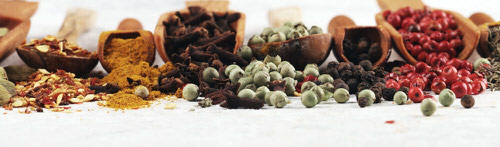
For centuries and across cultures, certain herbs, spices, and botanicals have been incorporated into food and beverage traditions, herbal preparations, and everyday herbal practices oriented around the digestive system. Monterey Bay Herb Co. offers a curated selection of these time-honored botanicals in bulk and wholesale quantities - sourced for food, tea, dietary supplement, functional beverage, and herbal product applications. This FAQ answers common questions about our digestive tradition herb offerings, how they are used across industries, and how to source them.
What are "digestive tradition herbs," and why does Monterey Bay Herb Co. use that framing?
The phrase digestive tradition herbs refers to botanicals with a long, cross-cultural history of use in food, beverage, and herbal wellness practices associated with the digestive system. These herbs appear across Ayurvedic tradition, Traditional Chinese Medicine, European folk herbalism, and global culinary cultures — frequently enjoyed as after-meal teas, incorporated as digestive spices in everyday cooking, or formulated into herbal preparations centered on digestive comfort and everyday herbal practices.
Monterey Bay Herb Co. uses this framing deliberately. As a wholesale raw ingredient supplier, we market ingredients, quality, sourcing, and usage — not health outcomes or results. Anchoring our selection in cultural tradition and formulation context allows us to provide genuinely useful information for buyers while accurately representing what botanical ingredients are: raw materials with deep historical meaning and broad industry application, not finished health products.
What digestive tradition herbs does Monterey Bay Herb Co. carry?
We offer a broad selection of herbs, spices, and botanicals commonly incorporated into digestive-tradition preparations, products, and formulations. Some of the most frequently sourced from this category include:
Anise Seed: whole
Fennel Seed: whole & powder, organic
Ginger Root: c/s, powder, tea bags, organic
Peppermint Leaf: c/s, powder, tea bag cut, organic
Marshmallow Root: powder; leaf c/s also available
Licorice Root: c/s & powder, organic
Chamomile Flower: whole, organic
Papaya Leaf: c/s & powder, organic available
Orange Peel: small cut, organic available
Spearmint Leaf: cut & sifted
Chicory Root: roasted granules, organic available
Caraway Seed: whole, organic available
Slippery Elm Bark: powder
Bromelain: powder (100 GDU)
Aloe Ferox: powder
Mugwort Herb: c/s, organic
Bilberry Leaf: c/s & powder, wild crafted
Spirulina Powder: organic available
Browse the complete selection on our Digestive Tradition Herbs page, where you can filter by format, certification, and availability.
How are these herbs and botanicals traditionally used across different cultures and herbal systems?
Many of the most widely recognized digestive-tradition botanicals appear across multiple herbal systems and food cultures, often with overlapping uses. Some of the most consistent cross-cultural patterns include:
After-Meal Herbal Teas: Fennel seed, peppermint, chamomile, and anise have centuries of use as post-meal herbal teas in European, Middle Eastern, and South Asian traditions.
Culinary Spice Traditions: Ginger, Caraway, Fennel Seed, and orange peel are woven into Indian, Northern European, and East Asian cooking partly for their traditional role at the table.
Ayurvedic Tradition: Ginger root, licorice root, and fennel are fundamental to Ayurvedic preparations associated with after-meal use and everyday traditional practice.
Traditional Chinese Herbalism: Orange peel (chen pi), licorice root (gan cao), and ginger (sheng jiang) are classical TCM botanicals frequently included in digestive-category formulas.
European Folk Herbalism: Chamomile, marshmallow root, and slippery elm have long histories in European and North American herbal traditions, commonly used in preparations focused on the gut.
Modern Herbal Products: Many of the same botanicals anchoring historic traditions are now core ingredients in contemporary digestive teas, supplement blends, and functional food and beverage products.
What product formats are available for digestive herbs, and which work best for different applications?
Most botanicals in our digestive tradition category are available in multiple formats to match different formulation, processing, and end-product needs:
Whole: Best for steeping, visual appeal, and infusions. Common examples: whole fennel seed in loose-leaf blends; whole chamomile flowers in herbal teas and sachets.
Cut & Sifted (C/S): Best for loose-leaf blends, herbal teas, sachets, and culinary use. Common examples: peppermint leaf c/s for tea blends; ginger root c/s for infusion and food applications.
Tea Bag Cut: Best for commercial tea bag production. Common examples: peppermint leaf tea bag cut for consistent fill weight and extraction in commercial formats.
Powder: Best for capsules, tablets, powdered supplements, and functional foods. Common examples: marshmallow root powder for encapsulation; ginger root powder for food manufacturing and supplement blends.
Granules: Best for instant beverages and functional drink blends. Common examples: roasted chicory root granules as a coffee-style base for herbal or prebiotic-positioned drink blends.
Pre-Filled Tea Bags: Best for retail tea, foodservice, and private label programs. Common examples: ginger and peppermint bulk tea bags for consistent serving format across retail and foodservice programs.
For custom cut specifications or large-format milling needs, our business services team can discuss options.
Which industries and businesses commonly source digestive tradition herbs from Monterey Bay Herb Co.?
Digestive botanicals are among the most broadly applicable ingredients in our catalog because they span culinary, wellness, beverage, and supplement uses. We regularly supply them to:
Which digestive herbs are most commonly used in herbal tea blends and tisanes?
Several botanicals from our digestive tradition collection are mainstays of the herbal tea industry—both as single-herb offerings and as components of blended products marketed around post-meal rituals, everyday comfort, and botanical wellness products positioning. The most widely sourced for tea applications include:
Peppermint Leaf: One of the most recognized botanicals in Western herbal tea culture; available in c/s, powder, and tea bag cut with organic options.
Ginger Root: A culinary and tea-tradition staple across Asian and Western markets; c/s, powder, and pre-filled bulk tea bags available.
Fennel Seed: A prominent post-meal ingredient in Indian and European tea traditions; available whole and ground, organic.
Chamomile Flower: A perennial tea bestseller with deep cross-cultural association with gentle everyday digestive tradition.
Licorice Root: A traditional botanical and natural sweetener frequently blended into digestive-positioned herbal teas as a complementary note.
Anise Seed: A classic component of after-dinner herbal teas; similar aromatic profile to fennel, often used together in traditional blends.
Spearmint Leaf: A gentler mint alternative favored in Middle Eastern tea traditions and increasingly featured in digestive-style blends.
Moroccan Mint Tea: A ready-to-source green tea and spearmint blend with a long North African tradition as an after-meal beverage.
Tip for tea formulators: Many of the most commercially successful digestive-tradition tea blends combine a primary botanical (often peppermint or ginger) with secondary notes from fennel, licorice root, or chamomile to build depth and a naturally sweet finish. Our business services team can discuss ingredient sourcing and custom blend development.
Which herbs are most commonly incorporated into traditional botanical supplement products?
For dietary supplement manufacturers producing capsules, powders, tinctures, or functional food products, several digestive tradition botanicals represent some of the most well-established ingredients in the supplement market. Commonly sourced for supplement applications include:
Marshmallow Root Powder: Widely used in digestive supplement formulas; valued for its mucilaginous character and long folk herbal history.
Slippery Elm Bark Powder: A traditional North American botanical with deep roots in folk herbal preparations associated with traditional use in herbal preparations
Bromelain Powder: A naturally occurring enzyme derived from pineapple, widely incorporated into enzyme-focused digestive supplement blends.
Licorice Root Powder: A classical botanical in Ayurvedic and TCM-informed formulas; commonly included in products positioned around gut lining and digestive comfort.
Papaya Leaf Powder: Increasingly featured in enzyme and digestive-positioned supplement blends; organic option available.
Ginger Root Powder: One of the most broadly used digestive botanicals across herbal traditions and modern supplement categories.
Fennel Seed Powder: A staple ingredient in capsule and powder supplement formulations; organic available.
Aloe Ferox Powder: Used in traditionally inspired botanical blends.
Monterey Bay Herb Co. holds SQF, GMP, Kosher, and Organic certifications—documentation frequently required by dietary supplement manufacturers for sourcing compliance and quality verification.
Are digestive tradition herbs used in functional food and beverage products?
Yes. Digestive botanicals are seeing significant growth in the functional food and beverage space, where brands are incorporating herbs with traditional wellness associations into everyday consumables—from sparkling botanical drinks to prebiotic-positioned foods. Popular application areas include:
- Functional Beverages: Ginger, fennel, and peppermint are frequently used in digestive-style shots, sparkling herbal drinks, and botanical elixirs positioned around everyday botanical wellness products.
- Prebiotic Drink Blends: Chicory root (a natural source of inulin) is popular in beverages and powdered supplements positioned around prebiotic fiber and gut flora.
- Digestif-Style Bitters: Orange peel, fennel, ginger, and licorice root are traditional in European digestif formulas and the rapidly growing craft bitters category.
- Culinary Spice Applications — Ginger, caraway, and fennel seed are natural fits for globally inspired seasoning blends, spiced condiments, and fermented food products.
- Powdered Supplement Foods: Marshmallow root powder, slippery elm powder, and aloe ferox are incorporated into sachets, oatmeal toppings, and smoothie base blends.
- After-Meal Specialty Teas: Retail and foodservice tea programs are actively expanding digestive and post-meal tea offerings—a high-demand area for fennel, chamomile, and ginger.
What is the difference between organic and conventional options for digestive herbs?
Many popular digestive tradition botanicals in our catalog are available in both conventional and certified organic options. Organic certification may matter to your business for several reasons:
Finished product labeling: Many supplement and food brands require organic-certified inputs to support organic claims on finished products.
Retail channel requirements: Natural channel retailers and co-ops frequently require organic sourcing documentation.
Brand positioning: Organic sourcing is central to product storytelling for many wellness-focused brands.
Consumer demand: Organic options often command a retail price premium that supports higher ingredient cost.
Key digestive herbs available in certified organic form include ginger root, peppermint leaf,fennel seed, licorice root, chamomile flower, papaya leaf, caraway seed, orange peel, and spearmint leaf, among others. Current availability is shown on individual product pages—organic availability can vary with harvest cycles.
Where do these botanicals come from, and how does origin affect quality?
Geographic origin is part of a botanical ingredient's identity — growing region, soil conditions, climate, and agricultural practice all influence aroma, color, and character. Some context for key digestive herbs in our catalog:
Ginger Root: Common origins: India, China, Peru. Indian ginger is widely regarded for its robust, pungent profile; preferred in most supplement and tea applications.
Peppermint Leaf: Common origins: USA (Pacific Northwest), Morocco. Domestic peppermint is prized for high menthol content; Moroccan is common in international tea blends.
Chamomile Flower: Common origins: Egypt, Eastern Europe. Egyptian chamomile is a benchmark for the tea industry; consistent floral aroma and golden color.
Fennel Seed: Common origins: India, Egypt, China. Used extensively in Ayurvedic tradition; Indian fennel is dominant in supplement and tea markets.
Licorice Root: Common origins: Spain, China, Afghanistan. Spanish Glycyrrhiza glabra is traditional in European herbalism; Chinese origin is common in TCM formulas.
Marshmallow Root: Common origins: Eastern Europe, Middle East. High mucilage content makes it valued for coating applications in supplement and culinary uses.
For customers communicating ingredient provenance on finished product labels, we can often provide origin documentation as part of our standard materials. Learn more about our responsible sourcing practices.
Does Monterey Bay Herb Co. support custom blending for digestive herbal products?
Yes. We regularly work with tea companies, supplement brands, food producers, and private-label operations developing custom digestive herb blends, house formulations, and proprietary ingredient mixes. Our business services capabilities include:
Custom blending: combining multiple herbs and botanicals to your formula specification.
Milling: grinding whole or c/s herbs to target particle size for powder applications.
Co-packing: packaging finished blends under your brand label or in bulk for manufacturing use.
Bulk pricing: volume discount tiers with custom quotes available for orders of 100 lbs or more of a single ingredient.
Whether you're developing a new digestive tea blend, a powder supplement formula, or a functional food ingredient mix, our team can support the process from ingredient selection through finished product. Book a discovery call to get started.
What certifications does Monterey Bay Herb Co. hold, and why do they matter for sourcing digestive herbs?
For businesses sourcing botanical ingredients for finished products—especially teas, dietary supplements, and functional foods—supplier certifications are essential for quality assurance, regulatory compliance, and retailer qualification. Monterey Bay Herb Co. holds:
- SQF (Safe Quality Food) Certification—a globally recognized food safety standard important for food, beverage, and supplement ingredient supply chains.
- Good Manufacturing Practices (GMP)—required by most dietary supplement brands as a baseline quality requirement for ingredient suppliers.
- Kosher Certification—necessary for products sold into kosher retail channels or formulated for kosher-compliant finished products.
- Organic Certification — applicable to our certified organic SKUs; documentation available to support finished product organic claims.
Full certification documentation is available to business customers on request.
Is there a minimum order quantity, and how does pricing work?
No minimums. Monterey Bay Herb Co. has no order minimums, which makes it practical for indie brands, emerging product lines, test kitchens, and small-batch formulators to source ingredients at the quantities that work for their stage of business.
Pricing scales with volume:
Most products available starting at 1/4 pound.
Free shipping on orders of $250 or more.
15% off orders of $600 or more.
Bulk discount quote available for orders of 100+ lbs of a single ingredient.
Request a bulk discount quote or book a discovery call with our team to discuss your sourcing volume and needs.
How should bulk digestive herbs be stored to maintain quality?
Proper storage preserves the aroma, color, and character of botanical ingredients from receipt through production use. General best practices:
- Store in airtight containers away from heat, light, and moisture.
- Keep in a cool, dry environment — ideally below 70°F and away from windows.
- Avoid proximity to strong-smelling ingredients that could transfer aroma.
- Label containers with receipt dates and practice FIFO (first in, first out) rotation.
- Powders are more susceptible to oxidation and moisture absorption — use tightly sealed, opaque packaging.
- Inspect for quality before production use; aromatic herbs like peppermint and ginger should retain their characteristic scent.
Where can I browse and purchase digestive tradition herbs from Monterey Bay Herb Co.?
You can browse our full selection of wholesale digestive tradition botanicals on the Digestive Tradition Herbs category page. Individual product pages include botanical name, origin, cut format, certifications, and pricing by quantity tier.
Related collections that may be relevant to your sourcing needs include our broader Health-positioned botanicals, Herbal Teas & Tisanes, Ayurvedic Herbs, and Traditional Chinese Medicinal Herbs collections.
Important: Information provided on this page is for educational and ingredient-sourcing purposes only. Monterey Bay Herb Co. sells raw botanical ingredients-not finished dietary supplements, drugs, or medical products. References to traditional or historical use describe cultural practices and formulation context; they are not health claims, structure/function claims, or evidence of efficacy for any ingredient. Customers are solely responsible for ensuring their finished products, labeling, marketing, and ingredient claims comply with all applicable federal, state, and local regulations, including FDA and FTC guidelines. Consult qualified legal and regulatory counsel for product development and labeling decisions.