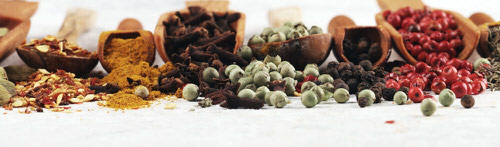
In recent years, botanical ingredients have become foundational to the cosmetics and personal care industry.
From small-batch skincare brands to global beauty manufacturers, plant-derived materials are widely incorporated
into product development across categories such as cleansers, creams, lotions, soaps, masks, haircare products,
and body treatments. As consumer interest in plant-based formulations continues to grow,
botanical materials
offer brands a versatile and creative palette for building texture, color, aroma, and visual appeal into
finished products.
Why Natural Botanical Ingredients?
Botanical ingredients are often selected for their benefits and adaptability within a broad range of cosmetic
formulations. Whether incorporated as oil infusions, water-based extracts, alcohol-based tinctures, powdered
botanicals, or hydrosols, plant materials can be prepared in multiple formats to suit diverse product types.
This flexibility makes them especially valuable for formulators developing distinctive product lines centered
around naturally derived components.
Many established beauty brands have built their identities around botanical inclusion, positioning plant-based
ingredients as a core part of their formulation philosophy. Beyond functionality, botanicals contribute to aesthetic
positioning and brand storytelling.
Ingredient transparency,
visual beauty, and recognizable plant names all play a role in shaping consumer perception and reinforcing
plant-forward branding.
Best Herbs for Beauty Products
When you think of herbs for beauty products, certain plants likely come to mind immediately such as
lavender,
rose,
green tea, and
aloe vera.
These familiar botanicals have become staples in personal care products not only because they integrate
seamlessly into formulations, but because they feel recognizable and approachable. Their aromas and
textures are often already known, which can make a product feel more accessible to a consumer who
hasn’t used it before.
Many brands intentionally choose these more well-known botanicals because consumer familiarity builds confidence.
Seeing ingredients like lavender, chamomile, calendula, rosemary, or green tea on a label can create an immediate
sense of connection and trust. For consumers navigating crowded beauty shelves, recognizable plant names can feel
grounding and reassuring.
At the same time, there is also appeal in using botanicals that feel more rare or globally inspired. Ingredients
sourced from distant regions or lesser-known plant traditions can add a sense of discovery and intrigue to a
product line. While familiar herbs offer comfort and reassurance, more exotic botanicals such as
gotu kola,
ginkgo,
horsetail and
amla berry offer novelty and storytelling potential.
Together, they allow brands to strike a balance between trust and curiosity.
Whether widely recognized or newly discovered by the consumer, botanicals contribute to the overall personality
of a product. The plants themselves shape the aesthetic and emotional tone of the finished product. In this way,
botanical ingredients do more than fill an ingredient list; they help create connection. Some invite familiarity
and nostalgia, while others spark interest and exploration. Together, they form the foundation of plant-forward
collections that feel intentional, curated, and aligned with the evolving preferences of today’s beauty consumer.
Natural Cosmetic Ingredients for Color
Many plant materials serve as naturally derived colorants in cosmetics and personal care products. Examples include
hibiscus flowers and
beetroot for pink tones,
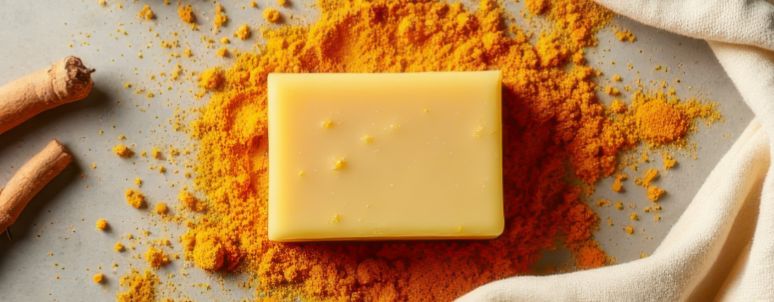
turmeric root for warm yellow hues,
spirulina powder for green coloration, and
blue butterfly pea flowers for purplish-blue shades.
Depending on concentration and formulation type, these botanicals can produce anything from soft pastel tints to more
saturated, vibrant colors.
Plant-based colorants may be incorporated in several ways. They can be oil-infused to create tinted balms and salves,
dispersed into water phases for emulsified products, or blended directly into dry formats such as bath salts, clay masks,
and powdered cosmetics. Some botanical powders are finely milled for smooth incorporation into creams and lotions, while
others are intentionally left slightly textured to create visual interest in soaps, scrubs, and bath products.
Important note: when developing products that incorporate richly pigmented botanical ingredients, it is essential to conduct
thorough testing to assess potential skin staining. Deeply colored plant materials may temporarily tint the skin depending
on concentration and format.
Natural Cosmetic Ingredients for Scent
Aromatic plants are frequently incorporated into natural cosmetics to provide fragrance profiles that complement a product’s
overall design. Botanical sources such as citrus peels, herbs, woods, resins, spices, and flowers can be used to create a wide
range of scent experiences that contribute to a product’s sensory identity.
Resinous materials such as frankincense and
myrrh are often included in oil-based formulations to create warm,
rich aromatic notes. Floral ingredients like
rose and
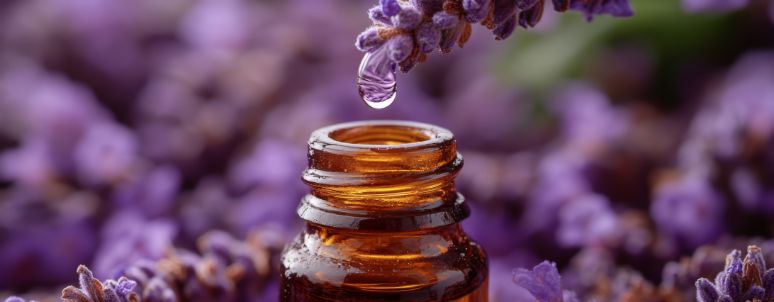
lavender are widely used for their distinctive scent profiles and
compatibility with creams, lotions, balms, and body oils. Herbaceous botanicals such as
rosemary introduce fresh, green aromatic qualities, while citrus-derived
materials provide bright top notes in fragrance compositions.
Cocoa nibs and
vanilla extract powder
can also be incorporated into body butters, lip balms, and massage oils to create sweet, dessert-inspired scent profiles.
Aromatic plant materials may be introduced through infused oils, extracts, hydrosols, or powdered ingredients. By combining
multiple botanical scent sources, formulators can develop layered fragrance profiles that range from light and herbaceous to
resinous and sweet. This approach allows brands to shape an olfactory experience that aligns with seasonal collections, signature
blends, or broader aesthetic themes.
Incorporating Natural Ingredients for Cosmetics
Botanical ingredients continue to play a central role in modern cosmetic and personal care product development. From flowers
and roots to barks, fruits, and resins, plant materials offer manufacturers an expansive and adaptable toolkit for designing
products that are visually compelling and sensorially refined.
As the beauty industry evolves, the integration of botanicals increasingly sets brands apart by highlighting a focus on natural
wellness-aligned formulation practices. When carefully selected and intentionally incorporated, botanical ingredients support
cohesive product design across entire collections. They allow brands to develop signature aromatic themes, color stories, and
ingredient narratives that resonate with plant-conscious consumers. Through strategic sourcing and creative formulation,
botanicals remain a defining feature of contemporary cosmetics and personal care products bridging traditional plant materials
with modern manufacturing standards and aesthetic expectations.
Learn more about botanical ingredients for these types of formulations:
AUTHOR, SARAH BAY
Herbalist, Writer
Sarah Bay is an herbalist from Northern California who is passionate about keeping alive the knowledge and tradition of working with plants as medicine. You can often find Sarah in the forest, talking to the plants and taking cold dips in the river, or in the kitchen making herbal potions.