What you'll find in this article:
From familiar flavors and scent memories to evolving expectations around ingredients and
formulation, hypernostalgia is influencing how formulators approach product development. This
article explores why the trend is gaining momentum, where it intersects with functional and botanical
ingredients, and how formulators can use sensory cues to inspire modern product concepts.
Call it hypernostalgia, nostalgia-plus, nonna-core, newstalgia, or neostalgia — whatever the label,
consumers are gravitating toward products that feel familiar. Not necessarily identical to what they
grew up with, but reminiscent of a place, person, ritual, or moment in time.
For food, beverage, fragrance, and personal care brands, this creates an opportunity: take
recognizable sensory cues from childhood, adolescence, and family traditions and elevate them with
premium botanicals, cleaner labels, and contemporary flavor profiles.
From a botanical supplier's perspective, the trend isn't simply about recreating the past. It's about
helping consumers feel something familiar while discovering something new—a key driver behind
many of today's nostalgia-driven consumer trends.
The Rise of Hypernostalgia
Nostalgia is increasingly shaping how consumers evaluate and choose products, influencing flavor
preference, sensory expectations, and emotional connection.
But familiarity alone isn't enough. Consumers are pairing nostalgic appeal with higher expectations
around ingredient transparency, formulation quality, and product intent—what draws attention is often
emotional, but what drives repeat purchase is execution.
According to Mintel's 2026 food and drink outlook, this shows up as "Retro Rejuvenation," where
heritage cues and traditional flavor inspiration are reinterpreted for modern expectations. Mintel also
highlights that functional and purpose-driven ingredients are now expected in everyday food and
beverage experiences, signaling that emotional appeal and ingredient intent are becoming
inseparable.
This convergence is reinforced by the Institute of Food Technologists' 2026 outlook, where roughly
60% of respondents ranked functional food and beverages among the fastest-growing categories—
underscoring how embedded "better-for-you" expectations have become in mainstream product
development.
Together, these shifts point to a clear pattern: consumers are drawn to flavors and aromas that evoke
memory—grandparents' kitchens, first apartments, summer evenings, shared rituals—while still
expecting products that reflect modern standards of quality, transparency, and formulation integrity.
For brands, nostalgic development is most effective when paired with:
- Botanical ingredients
- Clean-label, intentional formulation
- Premium positioning
- Craft-inspired development
- Multi-sensory design
- Elevated flavor and fragrance profiles
The result is a product landscape where emotional familiarity and functional intent are no longer
separate strategies—they coexist by design.
Why Nostalgia Resonates
What makes hypernostalgia especially notable is how far beyond food and beverage it extends.
Beyond the return of Pizza Hut's BookIt! Program, the Staten Island cafe staffed by a rotating roster of
grandmothers, this trend is showing up in travel itineraries, in social media conversations about
recreating a "'90s childhood summer" for kids, and even in design and tech nostalgia, like renewed
interest in reinterpretation of childhood analog experiences like the Tin Can.
Across categories, the same pattern is emerging: consumers are selectively pulling past experiences
forward, not to replicate them exactly, but to reintroduce a sense of simplicity, familiarity, and play into
modern life.
One of the most powerful aspects of the hypernostalgia trend is its connection to memory. A single
aroma or flavor can instantly transport consumers to another time and place.
- Mint growing beside the porch where sun tea steeped all afternoon
- The incense that seemed to permeate every college apartment
- A grandmother's rose perfume lingering on a hug
- Sunscreen, chlorine, and summer breeze on afternoon pool days
- Flipping through records in a local music shop
- A family recipe or drink that only appeared during special gatherings
This widening of nostalgia beyond food and beverage is part of what makes it so relevant for product
development today. As consumers recreate familiar moments across daily life, they are also becoming
more attuned to the sensory details that define those experiences—taste, aroma, and texture—which is
where botanical ingredients naturally play a central role.
Botanical Ingredients That Tap Into Nostalgia
Consumers aren't just responding to familiar flavors and aromas—they're also paying closer attention
to what those experiences are made from. According to the IFT Consumer Trends Study, 70% of
respondents listed health and wellness as second on the list of factors expected to influence
purchase decisions this year.
Botanical ingredients sit at the intersection of sensory familiarity and modern formulation
expectations, making them especially relevant in nostalgic product development.
For ingredient suppliers and product developers, that's where the opportunity lies. The goal isn't to
recreate nostalgia exactly as consumers remember it. It's to identify the sensory cues that made
those memories meaningful and reinterpret them in a way that feels relevant today.
Product Build Inspiration
These concepts work because they layer familiar sensory cues with ingredients that align with today's
formulation expectations: botanicals that deliver recognizable flavor and aroma while supporting
cleaner, more intentional product design.
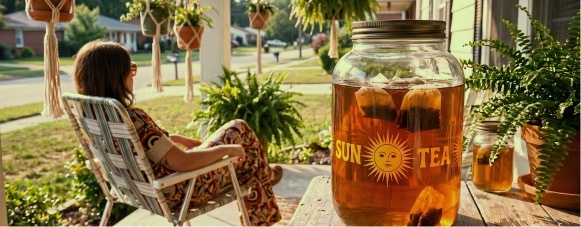
Porch Swing Mint Tea
A refreshing tea blend inspired by sun tea and long summer evenings.
Ingredients
Applications
- Ready-to-drink beverages
- Loose-leaf tea blends
- Tea concentrates
- Sparkling tea products
Nostalgia Cue
The simple pleasure of sharing iced tea on the porch with family and friends.
Modern Twist
Add cucumber, yuzu, or sparkling water for a brighter, more contemporary take on a classic summer beverage.
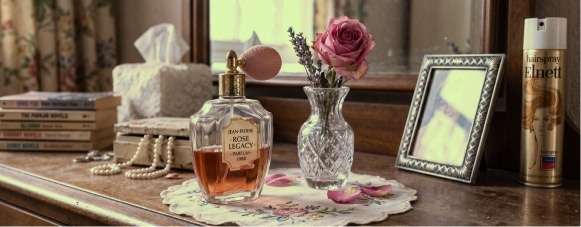
Heirloom Rose & Violet Collection
A botanical profile inspired by vintage dressing tables, pressed flowers tucked into books, and cherished keepsakes passed between generations.
Ingredients
Applications
- Candles
- Bath products
- Body oils
- Fragrance formulations
- Botanical tea blends
Nostalgia Cue
The soft floral notes of heirloom perfumes, handwritten letters, and treasured family traditions.
Modern Twist
Pair rose with bergamot, pink peppercorn, or black tea to create a more contemporary floral profile that feels both familiar and unexpected.
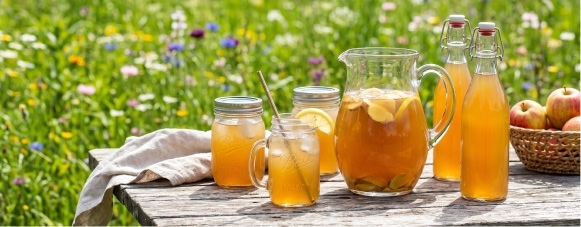
Summertime Switchel
A contemporary interpretation of a historic farm beverage.
Ingredients
Applications
- Craft beverages
- Seasonal RTDs
- Cocktail and mocktail mixers
- Specialty beverage programs
Nostalgia Cue
A refreshing drink rooted in family traditions and simpler times.
Modern Twist
Incorporate hibiscus, blood orange, or sparkling fermentation-inspired notes to transform a heritage beverage into a modern craft offering.

Incense & Vinyl
A sensory-forward botanical concept inspired by record stores, college apartments, coffeehouse conversations, and late-night creativity.
Ingredients
Applications
- Botanical tea blends
- Beverage concepts
- Candles
- Incense
- Home fragrance
- Seasonal limited-edition collections
Nostalgia Cue
The scent of incense drifting through a first apartment, stacks of records, secondhand bookstores, and discovering favorite albums.
Modern Twist
Introduce blood orange, smoked tea, or globally inspired botanicals to create a layered sensory experience that feels rooted in memory but designed for today's consumer.
Beyond Beverages: Familiar Flavors, Reimagined
Hypernostalgia extends beyond beverages and into snacks, bakery, confectionery, and specialty foods.
Consider familiar flavor profiles reimagined through a botanical lens:
The appeal lies in striking a balance between comfort and discovery—giving consumers the emotional
connection they crave while introducing them to new flavor experiences. For product developers,
botanicals provide a natural way to modernize familiar flavors while creating products that feel
distinctive, premium, and memorable.
What This Means for Brands
For manufacturers and product developers, hypernostalgia offers more than a compelling marketing
angle. It provides a framework for innovation rooted in emotional connection.
Today's consumers are increasingly drawn to products that are:
- Familiar yet fresh
- Premium yet approachable
- Sensory-driven
- Ingredient-conscious
- Experience-focused
Botanical ingredients are uniquely positioned to support these goals, helping brands create products
that connect with consumers through flavor, aroma, and memory.
Looking Ahead
The most successful nostalgia-inspired products won't simply recreate the past. They'll take familiar
flavors, aromas, and rituals and reinterpret them for today's consumer.
Whether it's a mint iced tea inspired by summer afternoons, a floral fragrance that recalls treasured
keepsakes, a heritage switchel reimagined for modern beverage shelves, or a tea blend inspired by the
scent of incense and stacks of vinyl records, hypernostalgia offers brands an opportunity to create
products that feel both timeless and relevant.
For formulators and product developers, botanical ingredients offer a unique toolkit for doing exactly
that. A familiar note of mint, rose, cinnamon, lavender, or ginger can evoke memory instantly, while
thoughtful formulation transforms it into something consumers haven't experienced before. That's
where hypernostalgia becomes more than a trend, it becomes a source of inspiration.
Ready to Explore Botanical Innovation?
If you're developing new beverage, tea, fragrance, or personal care concepts and looking for botanical
ingredients that bring sensory storytelling to life, our team can help you translate ideas into
formulations. Explore our herbs and botanicals or connect with us to start building your next
nostalgic-inspired product concept.
FAQ
What is hypernostalgia in product development?
Hypernostalgia describes a product development approach centered around familiar flavors, aromas,
rituals, and sensory experiences that evoke memory and emotional connection. Rather than recreating
the past exactly, brands are often reinterpreting those experiences through modern ingredients,
formulation approaches and sensory design.
How are botanical ingredients used in nostalgic product concepts?
Botanical ingredients can help create recognizable flavor and aroma profiles that connect to familiar
experiences and storytelling themes. Ingredients such as mint, rose, chamomile,
lavender, ginger, cinnamon, and vanilla can be incorporated across food, beverage, fragrance, and personal care
applications.
How can product developers apply nostalgia-inspired concepts in product development?
Brands and product developers can use sensory cues as a starting point for product ideation and then
reinterpret those experiences through botanical ingredients, contemporary flavor combinations, and
modern formulation approaches. The goal is not necessarily to recreate the past, but to build products
that feel both recognizable and relevant.
What types of products can incorporate hypernostalgia-inspired concepts?
Hypernostalgia-inspired concepts can be explored across a range of categories, including beverages,
teas, snacks, bakery products, fragrance, candles, personal care products, and other sensory-focused
applications.
Why are brands combining nostalgia with modern ingredient trends?
Consumers are looking for products that feel both familiar and updated. Nostalgic sensory cues can
create emotional connection, while ingredient transparency, botanical ingredients, and intentional
formulation approaches help align products with current consumer expectations.