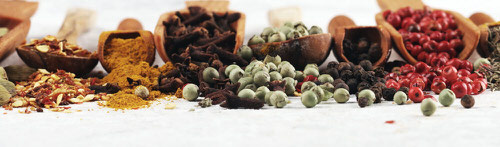
Building an herbal apothecary starts with choosing the right foundational herbs. Whether you're stocking the shelves of a wellness store, building an herbal practice, or simply setting up your own home apothecary, one question tends to come up early: which herbs actually belong in a well-rounded collection? With thousands of botanicals to choose from, it's easy to feel overwhelmed. The good news is that a handful of time-tested herbs can form the backbone of almost any herbal apothecary—versatile, well-documented in traditional use, and popular enough that customers are already searching for them by name.
This guide covers 10 versatile bulk herbs that can form the foundation of an herbal apothecary, along with common preparations, blending ideas, and possible alternatives.
Why Build an Apothecary Around Bulk Herbs?
Buying herbs in bulk isn't just a cost-saving measure, it's also a practical necessity for practitioners and retailers who go through herbs regularly. Bulk bins and bulk packaging give practitioners the flexibility to create custom formulas, allow wellness stores to offer both packaged and scoop-your-own options, and give home apothecary builders the ability to experiment with teas, tinctures, and other preparations without committing to a single pre-made product.
How to Choose Bulk Herbs for an Herbal Apothecary
When choosing bulk herbs for an herbal apothecary, start with the basics: verify the herb’s identity and botanical name, plant part, and intended preparation. Think about which herb form is best. Whole, cut and sifted, or powdered varieties can make a difference depending on whether you're preparing teas, tinctures, infused oils, capsules, or topical products. Consider whether organic or conventional sourcing best fits your needs, and look for suppliers that can provide information about sourcing, testing, quality, and documentation. Packaging and storage requirements are also worth considering, particularly for larger quantities. Finally, choose order sizes that match your usage and storage capacity.
With that in mind, here are ten bulk herbs worth prioritizing.
1. Echinacea for Herbal Apothecaries (Echinacea purpurea)
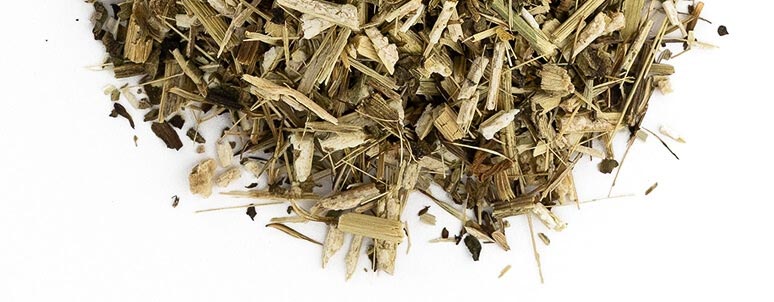
Native to the prairies and open woodlands of central North America, echinacea is one of the most recognizable herbs in the Western herbal tradition, historically used by Indigenous peoples of the Great Plains and later adopted widely across American and European herbalism. The root, leaf, and flower can all be used. It's a staple in seasonal wellness sections and a familiar name for consumers browsing traditional herbal categories. Echinacea can be included in tea blends, tinctures, syrups, and powders.
Substitute: Olive leaf (Olea europaea)
Blends well with: Goldenseal, ginger root
2. Calendula: A Versatile Apothecary Herb (Calendula officinalis)
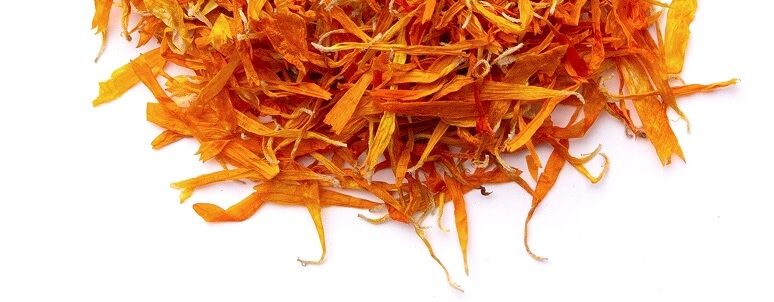
Also known as pot marigold, calendula is native to Southern Europe and the Mediterranean basin, where its bright orange and yellow blossoms have long made it a garden and apothecary staple. The whole flower heads are the primary part used. Calendula has a long-standing place in traditional European folk herbalism and remains one of the most widely recognized botanicals in skin-focused and topical formulation work. Beyond topical use, this edible flower also makes a beautiful addition to teas. Calendula can be used in infused oils, salves, creams, soaks, scrubs, tinctures, teas, and powder blends.
Blends well with: Plantain, chamomile, marshmallow root
3. Marshmallow Root for Teas and Herbal Preparations (Althaea officinalis)
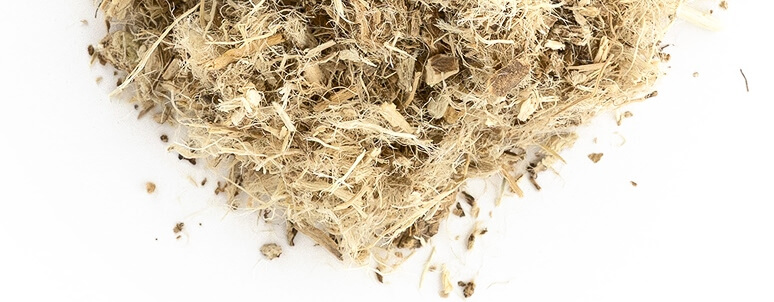
Native to Europe, Western Asia, and North Africa, marshmallow has been used in herbal traditions for thousands of years, with historical references dating back to ancient Egyptian and Greek texts (and yes, it's the plant the original confection was named after). The root is the most commonly used part, dried and cut for bulk teas, decoctions and oil infusions, or powdered for capsules and topical formulations. It's known for its mucilaginous quality when steeped, making it a popular pairing herb in traditional blends.
Substitute: Slippery Elm Bark (Ulmus rubra)
Blends well with: Peppermint, plantain leaf, licorice root, chamomile
4. Plantain Leaf: A Traditional Apothecary Staple (Plantago major)
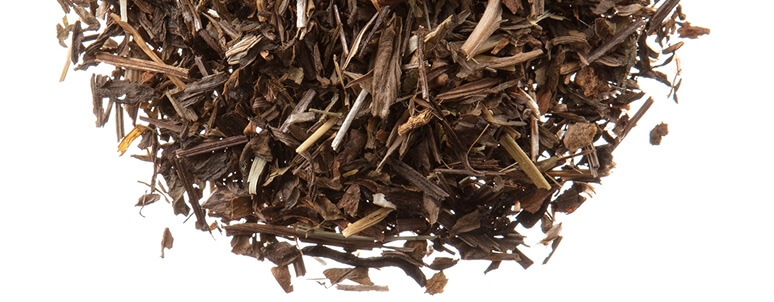
Not related to the banana-like fruit of the same name, plantain leaf is a common wayside plant found across Europe, Asia, and naturalized throughout North America. It's one of the most widespread "backyard herbs" in Western folk herbal tradition, historically gathered fresh for poultices or dried for teas and infused oils. Its ribbed leaves make it easy to identify, and it remains a favorite among herbalists for its long history in traditional folk practice. In addition to its uses in teas and oils, the powder can also be used for capsules and topical applications.
Blends well with: Calendula, nettle leaf, marshmallow root
5. Chamomile: A Familiar Herbal Favorite (Matricaria recutita)
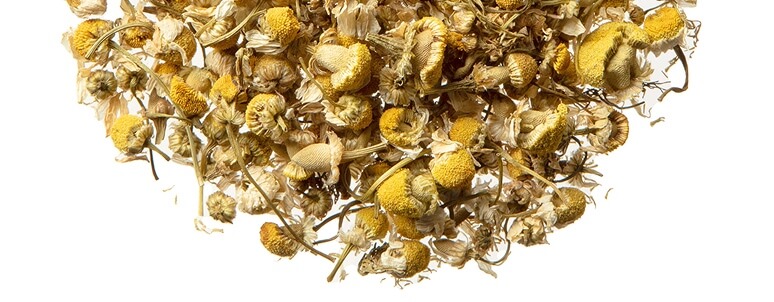
Chamomile is native to Europe and parts of Western Asia, and its small, daisy-like flowers have made it one of the most recognizable botanicals worldwide. Chamomile flowers are most commonly dried and used whole for teas. However, the dry flowers can also be used in infused oils, tinctures, glycerites, and syrups. Chamomile has a deep history in European folk herbalism and remains one of the most widely stocked bulk herbs in wellness retail today.
Blends well with: Calendula, ginger root, peppermint, marshmallow root
6. Nettle Leaf for Herbal Blends (Urtica dioica)
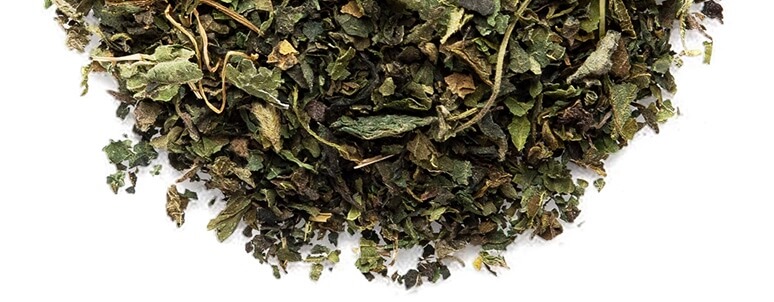
Stinging nettle grows wild across Europe, Asia, and North America, and has one of the longest and most widespread histories of traditional use of any herb on this list, spanning food, fiber, and folk herbal traditions across multiple continents. The leaf is the most commonly used part, dried to neutralize the plant's stinging compounds before it's cut for tea blends or powdered for capsules and culinary use.
Blends well with: Peppermint, plantain leaf
7. Peppermint: A Complementary Herb to Many Blends (Mentha piperita)
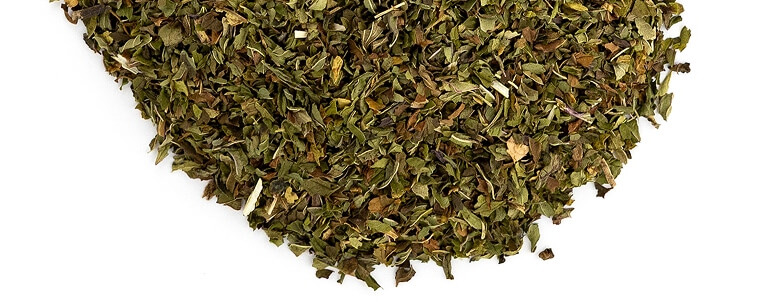
A natural hybrid of watermint and spearmint, peppermint is believed to have originated in Europe and is now cultivated worldwide. The leaves are the primary part used, dried whole or cut for teas, or steam-distilled into essential oil. Peppermint has one of the longest documented histories of any culinary and folk herb, referenced in ancient Egyptian, Greek, and Roman texts, and remains a top-selling bulk herb thanks to its familiar aroma and flavor.
Substitute: Spearmint (Mentha spicata)
Blends well with: Nettle leaf, chamomile, marshmallow root, licorice
8. White Willow Bark for Traditional Preparations (Salix alba)
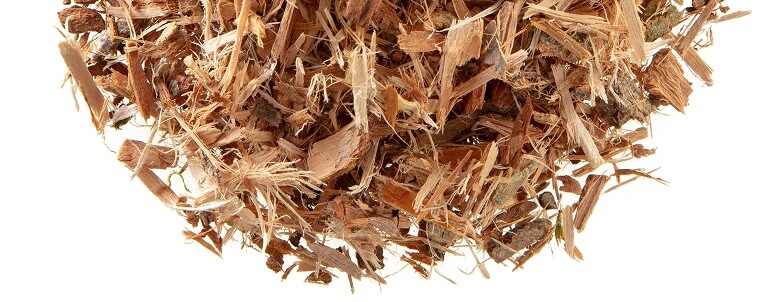
White Willow trees are native to Europe and western and central Asia. The bark is harvested and then dried and cut for use in teas, decoctions, tinctures and capsule blends. Today, many people know of white willow as the tree from which the compound salicin was extracted to make aspirin.
Substitute: Meadowsweet (Filipendula ulmaria)
Blends well with: Ginger root
9. Ginger root: A Familiar Culinary Herb and Apothecary Must Have (Zingiber officinale)
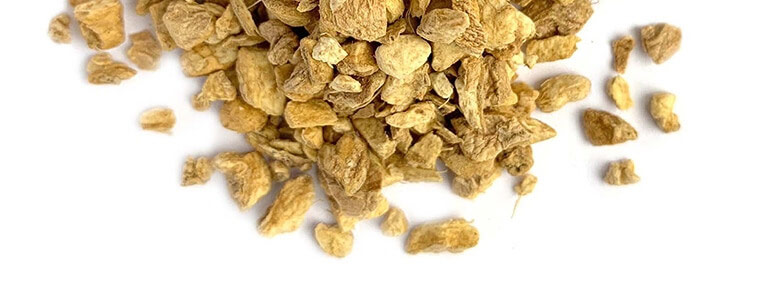
Ginger is native to Southeast Asia, where it has been cultivated for thousands of years and holds a central place in traditional Chinese, Ayurvedic, and Southeast Asian herbal systems, as well as in cuisines worldwide. The rhizome (commonly called the root) is the part used, available dried and cut for teas, tinctures, and syrups, or powdered for capsules and culinary use. Its familiarity as both a culinary spice and a traditional herb makes it one of the most approachable bulk botanicals for general consumers.
Blends well with: Licorice root, echinacea, chamomile, white willow bark
10. Licorice Root for Herbal Preparations(Glycyrrhiza glabra)
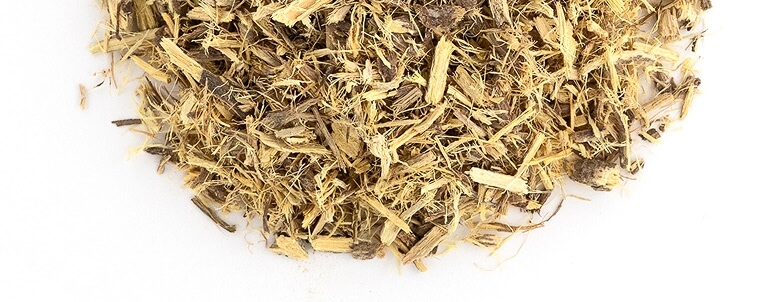
Licorice root is native to Southern Europe and parts of Asia. The root is the primary part used, dried and cut for teas, syrups, and tinctures, or powdered for capsules. Its naturally sweet flavor has made it both a culinary flavoring agent and a long-standing staple across multiple traditional herbal systems. Interestingly, many people expect it to taste like classic licorice candy, but the root's flavor is actually much more earthy. Most of the bold, anise-forward taste associated with black licorice candy comes from added anise oil, not the root itself.
Blends well with: Ginger, Marshmallow root, Peppermint
Building Your Apothecary Shelf
Whether you're sourcing bulk herbs for an herbal practice, wellness store, or home apothecary, these ten foundational herbs offer strong name recognition, meaning less customer education is required at the point of sale, along with flexible use across teas, tinctures, capsules, and topical preparations. For naturopaths and practitioners, they represent well-documented, historically grounded botanicals suitable for custom formulation work. And for the home apothecary builder, they're a practical, foundational starting point before branching into more specialized botanicals.
FAQs
What are the best herbs to buy in bulk?
The best herbs to buy in bulk for an apothecary are versatile botanicals that are familiar to a broad audience, complement other herbs in terms of taste and aroma, and can be used across a variety of preparations and formulas. Some herbs that tend to be popular and easy to work with include chamomile, ginger, peppermint, and licorice root.
What is the difference between whole, cut-and-sifted, and powdered herbs?
Whole herbs are minimally processed, while cut-and-sifted herbs and powders are milled into smaller particles to suit different herbal applications.
How should bulk herbs be stored?
Typically, herbs and spices should be stored in an airtight container in a cool, dry and dark place.
What herbs are commonly used in herbal teas and tinctures?
Common herbs used in herbal teas and tinctures include chamomile, peppermint, ginger, lemon balm, calendula, nettle, lavender, echinacea, licorice root, and dandelion root. Many of these botanicals can be used individually or combined with other herbs to create blends with complementary flavors, aromas, and traditional uses.
Where can I buy bulk herbs for an apothecary?
Bulk herbs are available through specialty herb suppliers, co-ops, and wholesale botanical companies that offer wholesale pricing, sourcing documentation, and testing information. When choosing a supplier, look for transparency around country of origin, organic certification, and lab testing for identity, potency, and contaminants.
How much bulk herb should I order to start an apothecary?
Order quantities depend on turnover and storage space, but many practitioners and small retailers start with 1/2 lb to 1 lb of each foundational herb to gauge usage before committing to larger volumes. Fast-moving herbs like chamomile, peppermint, and ginger typically justify larger initial orders than slower-moving specialty botanicals.
What's the shelf life of bulk herbs?
Most dried bulk herbs remain potent for 1 to 3 years when stored properly in an airtight container away from light, heat, and moisture, though aromatic and volatile-oil-rich herbs (like peppermint and chamomile) tend to lose potency faster than roots and barks (like licorice or marshmallow root).
What's the difference between organic and conventionally grown bulk herbs?
Organic bulk herbs are grown without synthetic pesticides, herbicides, or fertilizers and are typically certified by a third-party body, while conventionally grown herbs may cost less but carry a higher likelihood of chemical residue. Many practitioners choose organic for herbs used internally (teas, tinctures, capsules) and are more flexible on herbs used topically.
Do I need a license to sell bulk herbs?
Requirements vary by location and by how the herbs are sold (loose bulk, pre-packaged, or as finished products like tinctures), so it's worth checking local and state regulations around food handling, labeling, and dietary supplement rules before selling to the public. This is general guidance, not legal advice — a regulatory consultant or local health department can advise your specific business.

Author, Sarah Bay
Herbalist | Writer
Sarah Bay is an herbalist from Northern California who is passionate about keeping alive the knowledge and tradition of working with plants as medicine. You can often find Sarah in the forest, talking to the plants and taking cold dips in the river, or in the kitchen making herbal potions.