Functional mushrooms have moved from niche wellness shelves into the mainstream—appearing across supplements,
beverages, coffee alternatives, chocolate bars, and ready-to-drink formats. Once a fringe category, mushrooms
are now part of a rapidly expanding global market, projected to reach
4.12 billion by 2030.
This is driven by growing consumer interest in products positioned around everyday wellness routines across supplements, beverages, and functional foods.
For small to medium-sized brands and formulators, mushrooms represent a rare intersection of
consumer demand, product innovation, and functional versatility.
Below is a look at why functional mushrooms are gaining momentum, how brands are using them today,
and what to look for when sourcing mushroom ingredients for formulation.
Category growth at a glance: The global
functional mushroom market
was valued at more than $30B in 2023 and is projected to continue steady growth over the next decade.
Growth is fueled by consumer demand for products marketed around immune, cognitive,
and stress-related wellness themes across supplements, beverages, and food formats.
What's Driving the Rise of Functional Mushrooms?
1. Growing Interest in Everyday Wellness Routines
Consumers are more proactive than ever about
supporting everyday wellness
routines with themes like focus, balance, and vitality. This shift has fueled strong interest in plant-based,
clean-label solutions that feel approachable, familiar, and adaptable across formats. Functional mushrooms fit
squarely into this mindset,
offering recognizable, natural ingredients.
2. Broad Market Positioning Across Wellness Categories
Functional mushrooms are commonly positioned with a wide range of wellness-focused product categories, including immune-focused, cognitive-positioned, and stress-management-oriented formulations.
Ingredients like lion's mane, reishi, and cordyceps are frequently selected by brands for these positioning strategies, allowing mushrooms to serve as either a hero ingredient or a scalable platform across multiple SKUs.
3. Traditional Use Meets Modern Formulation Interest
Many functional mushrooms have long histories of traditional use in
Chinese Medicine and Ayurveda.
Today, brands are pairing this historical narrative with contemporary research interest and modern delivery formats.
4. Innovation Beyond Capsules
While supplements remain foundational, functional mushrooms are now being formulated into beverages, foods,
and lifestyle products that fit seamlessly into daily routines. From morning mushroom coffee to evening chocolate
rituals, innovation in delivery formats has dramatically expanded how (and how often) consumers engage with mushroom-based products.
Emerging Mushroom Ingredients & Functional Pairings
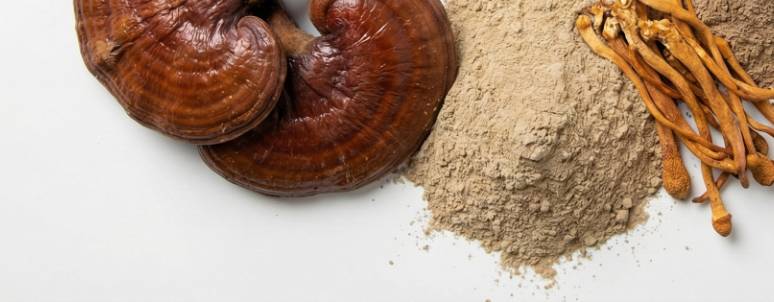
Rather than existing as standalone ingredients, functional mushrooms are increasingly formulated around specific benefits and usage occasions.
Lion's Mane
often appears in productivity-focused supplements, mushroom coffees, and beverage blends commonly positioned around focus and cognitive support.
Cordyceps
is commonly used in energy-forward products such as pre-workout blends, performance beverages, and daily vitality formulas.
Reishi,
Chaga,
Turkey Tail, and
Shiitake
are often used in products positioned around daily wellness, seasonal routines and stress-aware lifestyles,
particularly in powders, tinctures, and functional foods designed for daily use.
Complementary Botanicals & Flavor Strategies
To improve taste and reinforce function, brands often pair mushrooms with botanicals and spices such as:
- Cinnamon for warmth, balance, and familiar flavor associations.
- Cardamom for premium lemony undertone flavor and aromatic appeal
- Cacao for bitterness masking and premium appeal.
These combinations help soften earthy notes while strengthening functional storytelling.
Popular Functional Mushroom Product Formats & Formulation Considerations
Nutraceuticals: Capsules, Tinctures & Gummies
Supplements and nutraceutical applications
remain a primary entry point for functional mushrooms, offering familiarity and clear dosing. Brands like
Super Mush and
Birch Boys highlight how mushrooms can be positioned
for daily wellness, focus, or stress support in traditional supplement formats.
Opportunities: Familiar delivery, precise dosing, clear functional claims
Challenges: Taste masking (especially gummies), compliant benefit language, transparency around extract type and potency
Beverages: Mushroom Coffee & Drink Mixes
Mushroom beverages are one of the fastest-growing applications. The global mushroom coffee market alone was valued at $2.71B in 2022 and is projected to reach
$4.12B by 2030,
driven by demand for functional alternatives to traditional caffeine.
Brands like
RYZE,
Collider, and
Dram Apothecary's Mushroom Cola
illustrate how mushrooms are being integrated into daily rituals - from coffee replacements to functional sodas.
Opportunities: Lifestyle appeal, habitual consumption, high repeat purchase
Challenges: Solubility, sedimentation, balancing bitterness and earthy notes
https://pmc.ncbi.nlm.nih.gov/articles/PMC7333010/
https://www.forbes.com/sites/chloesorvino/2026/01/09/mushroom-coffee-maker-ryze-could-be-the-next-billion-dollar-drink-or-a-warning-of-a-bubble/
Functional Foods: Chocolate, Snacks & Breakfast items
Mushrooms are now appearing in chocolate, snack bars, chips, breakfast treats and other food-related products—helping
brands reach consumers beyond traditional supplement users.
Brands like
WISE Bar,
Popadelics, and
Alice mushroom chocolates
demonstrate how mushrooms can be delivered without sacrificing taste.
Opportunities: Broader reach beyond supplement users, premium positioning
Challenges: Heat stability, flavor integration, maintaining functional integrity
Emerging Applications for Mushrooms: Skincare & Cosmetics
Functional mushrooms are also beginning to appear in skincare and cosmetic formulations,
particularly for their compositional attributes and consumer-perceived functional positioning. Tremella and cordyceps are ingredients increasingly evaluated for use in skincare products
focused on hydration appearance and skin feel. For example, products like
Youth To the People's SuperShroom Adaptogen Cleanser, available at stores like Sephora, show that mushroom-based skincare is already
reaching mainstream consumers, demonstrating both market traction and consumer acceptance for these functional ingredients.
Opportunities: Introduces mushrooms to a broader, lifestyle-focused audience; aligns with premium and functional benefits.
Challenges: Stability and formulation in water or oil-based products
Quality & Sourcing: What to Look for in Mushroom Ingredients
Not all mushroom ingredients are created equal. For brands that prioritize ingredient quality, transparency, and documentation, sourcing matters.
Fruit Body + Mycelium: A Complementary Approach
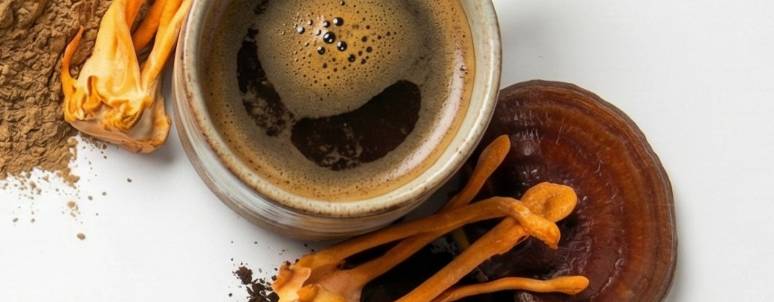
The mushroom fruit body offers well-known benefits, while mycelium provides additional, complementary compounds. When used together, they create a more complete, full-spectrum ingredient profile.
Monterey Bay Herb Co offers both organic and non-organic
mushroom powders,
giving formulators flexibility to balance cost, certification requirements, and ingredient composition and consistency.
Quality Assurance You Can Stand Behind
Formulator-Friendly Sourcing
- No minimum order quantities (MOQs)
- Comprehensive product specifications and Certificates of Analysis (COAs)
- Fast, accurate documentation turnaround

Key Takeaways for Brands & Formulators
Functional mushrooms are not a passing trend—they're a scalable, adaptable ingredient category with deep roots and modern relevance.
For brands serving wellness-focused consumers, mushrooms offer a distinct way to innovate across
supplements,
beverages,
foods, and emerging categories like
skincare.
Sourcing high-quality, well-documented mushroom ingredients
is essential to delivering products customers can trust.
Monterey Bay Herb Co is proud to support brands, wellness formulators, and apothecaries alike with organic, full-spectrum mushroom ingredients designed for real-world formulation needs.
Interested in sourcing functional mushrooms for your next product? Let's talk.
This content is intended for informational and educational purposes only. Ingredient selection, product positioning, and finished product claims are the responsibility of the brand owner and must comply with applicable FDA and FTC regulations.