In the competitive world of athletics, where maintaining peak fitness and striving for personal records
is the goal, many athletes are turning to natural methods to enhance their performance. Moving beyond
synthetic supplement ingredients, natural herbs offer a holistic approach to enhancing muscle growth
and sport performance. Combining the wisdom of ancient tradition with the cutting-edge understanding
of modern science, botanicals can support athletes at all levels.
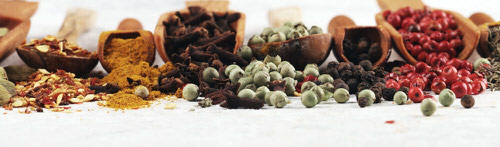
While sports supplements like protein powders, creatine, and amino acids have dominated the market, athletes who prefer a natural approach to health are turning to herbs to avoid the artificial additives, sweeteners, and fillers often found in synthetic supplements. The incorporation of herbs into an athletic regimen offers a natural, holistic approach that supports not only performance but overall well-being. Using whole herbs, with their complex phytonutrients, offers multifaceted benefits that support athletic performance and promote overall wellness from multiple angles. Continue reading to learn about the best herbs for muscle growth and athletic performance.
TOP HERBS FOR ELEVATING YOUR ATHLETIC PERFORMANCE:
Cordyceps (Cordyceps sinensis)
The high elevation fungi
Cordyceps is a unique fungus traditionally harvested from the high-altitude regions of the Himalayan mountains, thriving at elevations between 10,000 and 16,000 feet. This species is well-adapted to flourishing in environments characterized by thin air and lower oxygen levels. Historically, this botanical has gained significant attention within various communities, including those with active lifestyles, for its traditional role in supporting a balanced routine. Because of its long-standing association with high-elevation environments, Cordyceps is documented in historical texts for its specific chemical profile, including cordycepin and various polysaccharides.

Turmeric (Curcuma longa)
Nature’s golden spice
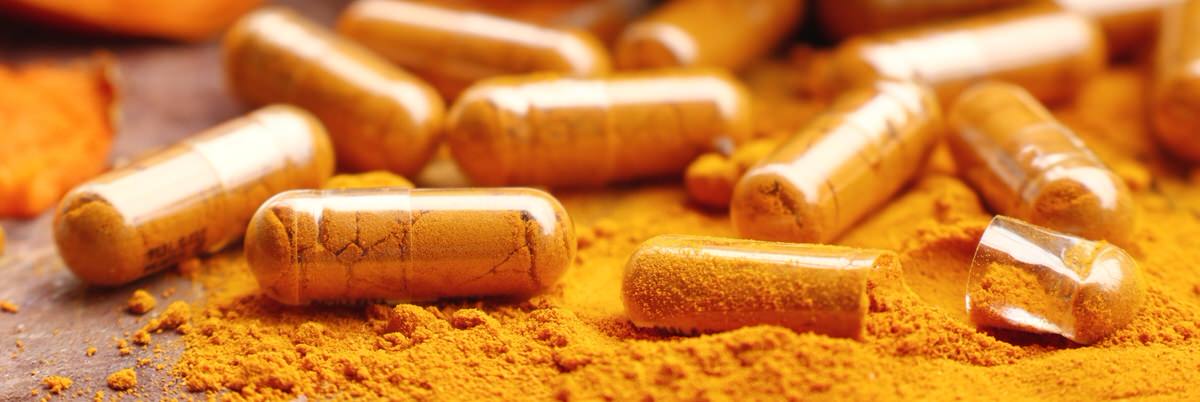
Turmeric (Curcuma longa) is a vibrant golden rhizome native to Southeast Asia, defined by a group of polyphenolic compounds known as curcuminoids, most notably curcumin. Historically, it has been a fundamental botanical in both Ayurvedic and Traditional Chinese Medicine, where it was documented for centuries in various topical and dietary applications. In traditional practices, turmeric is often prepared as a warm infusion or incorporated into culinary fats to support the solubility of its active constituents. Because of its unique chemical profile and "warming" botanical nature, it remains a widely studied staple of historical herbalism.
Today, turmeric is frequently utilized by those with active lifestyles who seek to align their modern habits with time-honored botanical traditions. Whether prepared as a traditional tea, added to recipes, or utilized in modern extracts, it is often categorized alongside other popular roots historically utilized for their distinct roles in a balanced daily routine. As with any potent rhizome, it is important to adhere to traditional serving sizes and consult a healthcare professional before including concentrated turmeric extracts in your routine, especially for those with specific health considerations.
Rhodiola (Rhodiola rosea)
An adaptogen
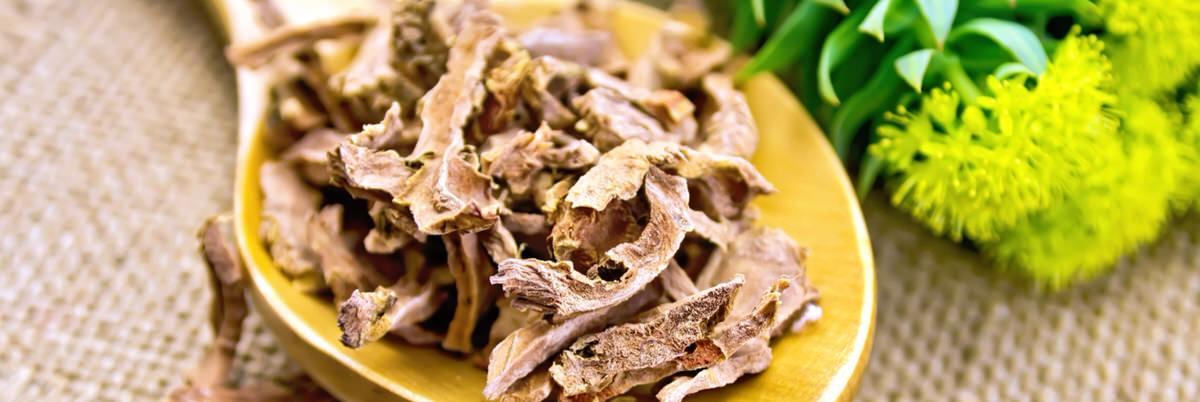
Rhodiola (Rhodiola rosea), or "Golden Root," is a hardy perennial native to high-altitude regions of Europe and Asia. Historically utilized in Scandinavian and Russian herbalism, this botanical has been documented for centuries for its role in supporting a balanced lifestyle in demanding environments. Today, it remains a staple for individuals seeking to incorporate "adaptive" heritage herbs into active modern routines.
Defined by its unique chemical profile of rosavins and salidroside, Rhodiola is frequently utilized by those looking to align their habits with time-honored botanical traditions. Whether prepared as a tea or a concentrated extract, it is valued for its distinct place in historical herbal practices. As with any potent botanical, it is important to follow traditional serving sizes and consult a healthcare professional before use, particularly for those with specific health considerations.
Ashwagandha (Withania somnifera)
A traditional Ayurvedic herb
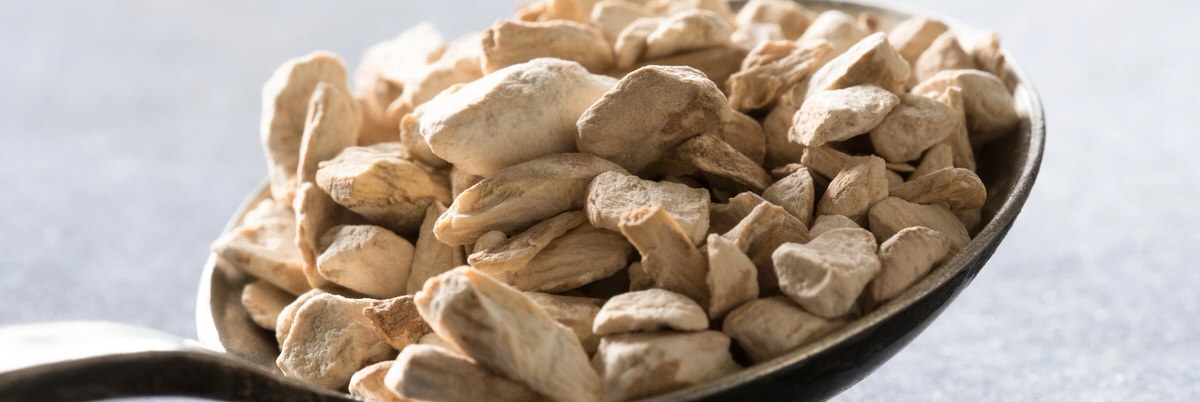
Ashwagandha (Withania somnifera) is a cornerstone of Ayurvedic tradition, where it has been documented for millennia as a restorative botanical. Its name, derived from the Sanskrit words for "horse" and "smell," refers both to its unique aromatic profile and its historical association with vitality. Traditionally, the root is prepared as a decoction or fine powder, often incorporated into warm milk or honey to support a balanced daily rhythm.
In botanical study, Ashwagandha is defined by its specific chemical constituents, most notably a group of steroidal lactones called withanolides. Because of its long-standing heritage as an "adaptive" herb, it is frequently utilized by those with active lifestyles seeking to align their modern routines with time-honored traditions. Today, it remains a widely researched staple for individuals looking to maintain a steady environment amidst demanding schedules. As with any potent botanical, it is important to adhere to traditional serving sizes and consult a healthcare professional before including concentrated extracts in a regimen.
Boswellia (Boswellia serrata)
This revered tree resin
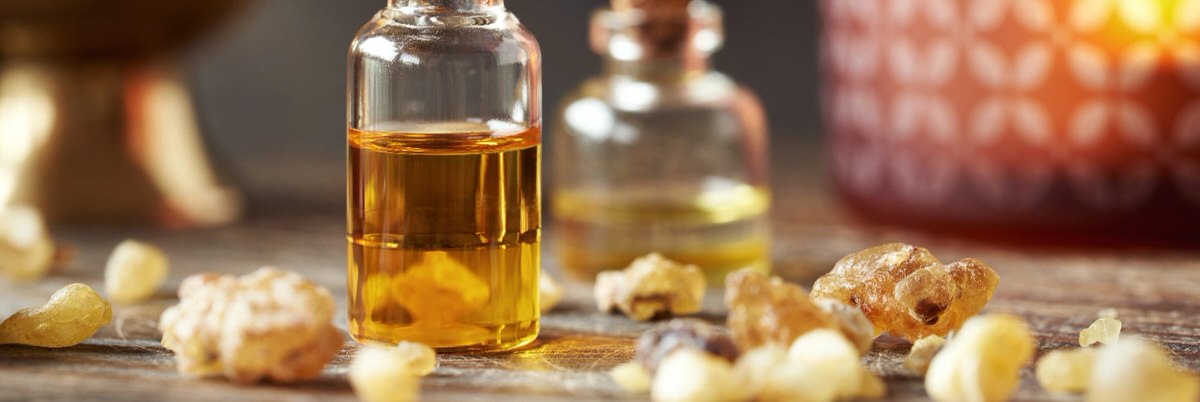
Boswellia (Boswellia serrata), or Indian Frankincense, is a resinous botanical with a millivital history in Ayurvedic and Middle Eastern traditions. Defined by its unique chemical profile—specifically boswellic acids—it has been historically documented for its role in supporting a balanced lifestyle. Today, it is frequently utilized by those seeking to align active modern routines with time-honored "resilience" herbs.Whether prepared as a concentrated dietary extract or applied topically in traditional oils and balms, Boswellia is valued for its distinct aromatic and botanical qualities. As with any potent resin, it is important to follow traditional serving sizes and consult a healthcare professional before use, particularly for those with specific health considerations.
BOOSTING ATHLETIC PERFORMANCE NATURALLY
Integrating traditional botanicals into an active regimen offers a heritage-based approach to a balanced daily routine. By focusing on the historical use of "adaptive" and "resilience" herbs, individuals can incorporate time-honored plants documented for centuries across various global traditions. These botanicals are valued for their unique chemical profiles—such as polyphenols, terpenes, and polysaccharides—which define their specific aromatic and botanical identities.In botanical history, these plants are frequently utilized to support a steady rhythm for those navigating demanding physical environments or active schedules. Whether prepared as traditional infusions or concentrated extracts, these herbs represent a holistic connection to nature’s historical role in wellness. As with any potent extract, it is important to adhere to traditional serving sizes and consult a healthcare professional before use, especially for those with specific health considerations.
Monterey Bay Herb Co. is a trusted source for bulk herbs and boasts a wide array of natural herbs for muscle growth and athletic performance—perfect for upgrading your personal routine or for formulating your next product geared towards athletes and fitness enthusiasts. Check out our extensive catalog
here!
SAFETY
While these herbs are generally
recognized as safe, it is always advisable to consult a healthcare provider before incorporating
herbal supplements into your routine, especially if you have existing health conditions, are pregnant
or nursing, or are currently taking any medications. Herbal supplements may interact with certain
medications or pre-existing conditions, so seeking professional advice ensures safe and effective
usage tailored to your individual needs.
AUTHOR, SARAH BAY
Herbalist, Writer
Sarah Bay is an
herbalist from Northern California who is passionate about keeping alive the knowledge and tradition
of working with plants as medicine. You can often find Sarah in the forest, talking to the plants and
taking cold dips in the river, or in the kitchen making herbal potions.