Key Takeaways
- U.S. herbal supplement sales surpassed $13 billion in 2024, nearly tripling since 2015
- Ginger and yerba mate are two high-growth botanicals driving functional food, beverage, and supplement innovation
- Consumer demand is rooted in digestive wellness, clean energy, and plant-based ritual — not just novelty
- The global functional beverages market is projected to reach $250 billion by 2030
- Ingredient transparency and organic sourcing are emerging as key purchase drivers
Each day individuals are increasingly reaching past the medicine cabinet and toward the spice rack, the tea aisle, and the
supplement shelf. Indeed, one in five adults has increased their
supplement use over the past year.
Supplement purchase decisions are being driven by a proactive approach to health, and in turn, these purchases are driving
unprecedented demand for botanical ingredients across food, beverage, and supplement categories.
Two botanical ingredients poised for tremendous growth over the next few years are
yerba mate and
ginger. Along with their many other botanical actions, both herbs have bitter qualities—a distinct herbal category with renewed interest by both consumers and researchers. This growing interest is driving innovation in functional botanical ingredients, supplements, foods, and beverages.
The Trend Landscape: What’s Driving Botanical Interest
As the average age of the adult population continues to creep up, consumers are seeking long-term wellness maintenance from a
variety of sources. Adults all over the globe are embracing plant-based wellness products and eating philosophies. These trending
dietary styles are crossing over into supplement and functional food and beverage formulation as well. U.S.
herbal supplements sales
have increased nearly 200% since 2015, reaching over $13.23 billion in sales in 2024.
Interest in botanicals is being driven for a variety of reasons. Post-pandemic, consumer interest has grown steadily in traditional
herbal rituals centered on daily calming routines or active lifestyles. Much like other daily rituals, such as direct sunlight first
thing in the morning, deep breathing before a stressful presentation, or gratitude journaling before bedtime, a cup of herbal tea can
help set the stage for the goal of the moment.
Over the last few years, botanical supplements trends have focused on plant-based health solutions including digestive-focused botanicals,
herbal supplements for modern wellness routines, and plant-based energy alternatives. Social media influence seems to be one of the driving
factors in consumer interest in embracing traditional botanical rituals as part of modern life.
Spotlight Ingredients: The Botanicals at the Center of the Moment
Herbalists, Naturopathic Doctors, and product formulators are likely familiar with several botanicals that are currently dominating the
conversation in formulations positioned around digestive-focused and metabolic-focused support concepts. From ginger to yerba mate, both
science and consumer interest are growing rapidly.
Ginger As a Functional Ingredient
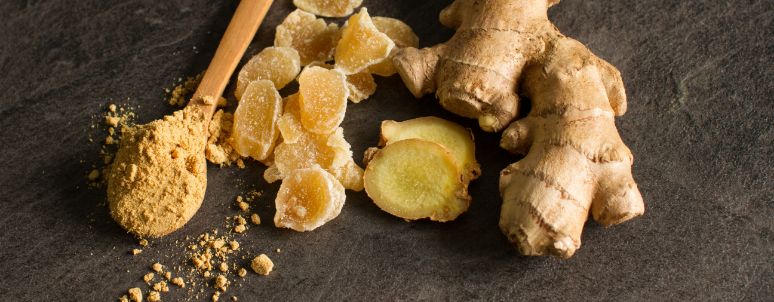
Ginger is a beloved culinary staple with a long history of use in traditional herbal practices across Asia, India, and the global west.
It is a widely familiar botanical that has been flavoring our food, teas, and beverages for centuries. Currently, ginger has been been
the focus of a growing consumer interest in formulations centered around digestive wellness lifestyle concepts.
This recent consumer interest in ginger products is partly driven by a huge social trend of the last few years and the side effects of
that phenomenon. Whether its shrinking movie stars and athletes touting it in bold commercials or your neighbors and friends discussing it
in local social circles, the conversation around ginger isn’t stopping any time soon.
Ginger has a versatile flavor profile. It is spicy, warming, and familiar. Ginger has also been surging in
popularity among functional beverage, gummies, and digestive-focused botanicals formulators. It has consistently ranked among the top
10 best-selling herbal supplements in U.S. mainstream retail outlets, per annual SPINS/ABC herb market data.
Why use ginger in new formulations?
Ginger is a compelling herb that formulators should continue to consider for a
variety of reasons.
- Availability. Ginger is widely available at least in part because it can be grown in a variety of climates. Though it is
native to southeast Asia, ginger is cultivated throughout the world in tropical to subtropical climates. Ginger can also grow in cooler areas
when given sufficient access to direct sunlight and nutrient-rich soil conditions.
- Familiarity. Most consumers have known and loved ginger flavors since childhood, whether from drinking ginger ale or enjoying
ginger-flavored candies. While it’s true that people enjoy novelty, more people are willing to try new things if a familiar ingredient or
flavor is included. Ginger blends well with a variety of flavors and can bridge that space between familiar and new.
- Naturally sourced. Ginger is a natural plant that grows all over the world. Consumers are increasingly interested in
ingredients from nature, a relative signal of safety and quality when used in normal culinary concentrations.
Ginger-forward product examples:
Yerba Mate As a Functional Ingredient
In the US, yerba mate has been on the shelf as a functional beverage for many years. Although yerba mate benefits are often overlooked, this holly
family plant has historical use dating back to before 500 CE. Native to Argentina, Bolivia, Brazil, Paraguay, and Uruguay, yerba mate thrives at
elevations between 1,000 and 2,000 feet, in tropical, subtropical, and temperate regions.
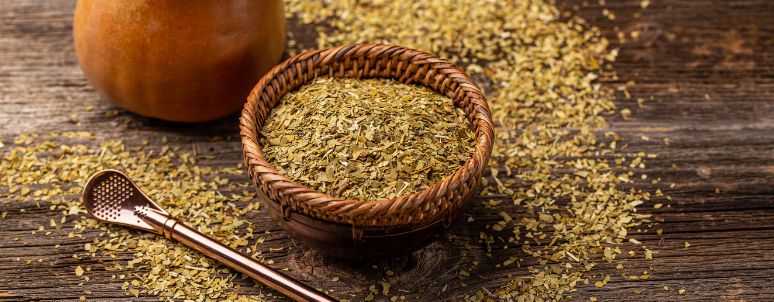
Yerba mate has deep-rooted ritual use in South American cultures where it is traditionally steeped in a cuia (a dried gourd) or matero (made of
calabash, wood, or porcelain), and consumed through a bombilla (a metal straw-like strainer).
The U.S. yerba mate market is forecasted to expand rapidly over the next decade, reaching nearly $1.3 billion by 2035.
Currently it is trending in ready-to-drink beverages, functional teas, and active lifestyle concept supplement formulas, where it is often positioned
as a plant-based energy drink alternative. Yerba mate currently resonates with a younger, more active, experience-oriented consumer demographic.
Why use yerba mate in new formulations?
Yerba mate is an ingredient with deep cultural roots and growing modern relevance that
formulators across beverage, supplement, and functional food categories should be considering.
- Cultural cachet. Yerba mate carries something many ingredients don’t: a genuine ritual tradition. Its centuries-long use
as a communal beverage in South America gives it an authenticity story that resonates with today’s consumer interest in time-honored, plant-based
practices.
- A cleaner story. As consumers increasingly scrutinize conventional energy drinks, yerba mate occupies a compelling middle ground.
Users of plant-based energy drink alternatives often describe them as a smoother, more sustained experience.
- Versatility. Yerba mate works across a wide range of product formats: ready-to-drink teas and energy beverages, stick packs,
capsules, and functional food applications. Its flavor profile, earthy and slightly grassy with mild bitterness, pairs well with citrus, mint,
and tropical fruit profiles, giving formulators room to create products that feel approachable.
Yerba mate product examples:
- Weird Yerba: a fun brand offering a variety of fruit-infused yerba mate RTDs with a youthful vibe
- Yerba Magic: yerba mate instant tea powder that is blended with other complementary botanicals like mango and matcha
- Holymary: Offering yerba mate gummies in three
different flavors, including yuzu-ginger, raspberry and quince fruit
Where These Ingredients Are Landing
The global functional beverages market is projected to grow to nearly $250 billion by 2030, with North America leading
the global market share. Functional botanicals including
ginger,
turmeric,
hibiscus,
chamomile, and
lavender
are drawing significant consumer interest for their use in the functional beverage space, while ingredients like
yerba mate,
green tea,
matcha,
and guayusa are gaining ground as “cleaner” caffeine alternatives.
Specialty tea shops and ready-to-drink beverages are leading the way with ginger-forward blends, yerba mate energy drinks, and lifestyle concept teas.
Supplement manufacturers are embracing these same botanicals as encapsulated extracts, softgels, gummies, and stick packs with wellness positioning.
In the functional food and snack space, ginger-infused snacks, botanical-fortified bars, and baked goods are at the forefront. Meanwhile, botanical
mocktails, menus centered around wellness lifestyles, and apothecary-style beverage programs are driving growth among food service, wellness, and
hospitality industries.
Stories From the Field
Consumer education on ingredient origin and transparency is emerging as a purchasing drivers in this space, and
Monterey Bay Herb Co.
is leading the way with eco-social standards. For
our ginger ingredients,
we work with a sourcing partner that supports the communities and ecosystems that grow our botanicals. Herb Co.
ginger products are certified organic
from a sourcing partner who prioritizes long-term soil health with vertically managed
land in the foothills of the Himalayas in India and Bangladesh. In addition, all final products are subject to testing standards for toxic metal and
pesticide residue to ensure it meets current FDA thresholds.
The Opportunity Is Rooted in Tradition
The renewed consumer interest in botanicals, such as ginger and yerba mate, is not a trend built solely on novelty. It is built on centuries of
traditional use, now being validated by emerging science and amplified by a cultural moment that has consumers paying close attention to how what
they eat and drink affects how they feel. For CPG manufacturers across the supplement, food, and beverage space, that convergence represents a
meaningful formulation opportunity.
Monterey Bay Herb Co. sources ginger, yerba mate, and a wide range of complementary botanicals to support manufacturers
working in this space. Whether you are developing a digestive-focused supplement, a functional RTD, or a botanical-forward snack, our sourcing standards,
including certified organic certification, vertically managed supply chains, and rigorous testing for heavy metals and
pesticide residues, are designed to support your quality and compliance requirements from the ground up.
Ready to explore what these ingredients can do for your next formulation? Contact our team to
request samples,
review our
ingredient catalog, or discuss
custom sourcing options.