Bulk Caraway Seed Whole

Carum carvi
Caraway seed, whole image
[ 1068 ]Carum carvi

Caraway Seed Whole

1/4 Pound:  $4.53 Pound:  $10.06  100+ Pounds:  contactbuy now  

Whole Caraway seeds for sale are used to flavor liqueurs, teas, soups, breads and other baked goods. They are widely used in Scandinavian cooking, as well as in German, Russian and Indian cuisines.

SQF Certified Logo
kosher certificate informationsqf certificate information
We offer discounted pricing on orders over 100 pounds. Contact Us

a.
quick look

information at a glance

approximate cups to one pound4
origincanada, finland
plant part usedseed
processingwhole
why buy whole caraway seed?Multiple culinary uses.

b.
buying & keeping

general guidelines and tips

storage tips Store whole caraway seed in an airtight container in a cool, dry place.
appearance & aromaGrayish-brown with ridges and an anise-like aroma.

c.
uses

try something new

culinaryUse in cakes, breads, muffins and cookies. Whole caraway seed also flavors braised meats and vegetables. May also be prepared as tea.

d.
flavor profile

whole
caraway seed

Vaguely similar to licorice or anise, but tempered with peppery undertones.

e.
formulas & recipes

whole
caraway seed

coming soon

f.
what else you should know

whole
caraway seed

Whole caraway seed is said to be Europe’s first spice, with a history that begins in ancient Rome and eventually reaching Scandinavia during the Middle Ages It is a staple flavoring agent and condiment in Northern, Central and Eastern European cuisines. In North Africa, caraway seed is a key ingredient in a pungent chili paste called harissa that is used to flavor stews, soups and couscous.

Although caraway grows naturally in the Alpine meadows of Germany, it was also carefully cultivated in medieval monasteries, where the dried fruits were harvested for culinary use and traditional preparations. Caraway has long been valued for its warm, aromatic flavor and its role in European food and herbal traditions.

Folklore surrounding caraway is as enduring as its use in the kitchen. According to tradition, a cup of caraway tea was believed to promote harmony and loyalty, a sentiment reflected in the old custom of feeding caraway seeds to homing pigeons to help ensure their return to the roost. These stories highlight caraway’s enduring place in cultural history as both a practical and symbolic plant.
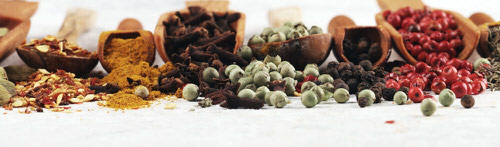

BackgroundCaraway is native to the area surrounding the Mediterranean and Europe. Seed is used primarily. Leaf and root are also edible. One of the oldest cultivated spices use dates back to 3000-4000 BC.

In ancient times, Egyptians applied the seed in protecting their dead from evil spirits, and Greeks and Romans used it as food.  Caesar's army ate chara, a bread made of the root.

Its use and cultivation spread from Arabia to Northern Europe during the middle ages. Herbal lore ascribed it the power to prevent loss and theft. It was used in love potions. It is still used in seed mixtures to attract birds and to keep chickens and other domesticated birds from seeking other feeding spots.

Included in Shakespeare's "Henry IV" is, 'a pippin and a dish of Caraways.'

Properly stored, the seeds will remain flavorful for months. It is best to add seeds after the recipe is cooked. Their sweet aroma and flavor are reminiscent of anise seed and fennel. It is featured in foods of Germany, Austria, eastern Europe, and Scandinavia.

Our caraway seeds for sale can freshen breath and their essential oil is found in many mouthwashes, toothpastes and chewing gums. They are used in several liquor recipes and to improve the flavor of various complementary herbal combinations.

Properties: Carminative, antispasmodic, stomachic, antispasmodic,
aphrodisiac, appetitive, emmenagogic, expectorant and
galactagogic (stimulating secretion of bile)

Frequently bought together


for educational purposes only

This information has not been evaluated by the Food and Drug Administration. This information is not intended to diagnose, treat, cure, or prevent any disease.

please be advised:  Before making any changes to your diet you should always consult with your doctor, especially if you are pregnant, nursing or have existing conditions.

All reviews solely reflect the views and opinions expressed by the reviewer and not that of Monterey Bay Herb Co. We do not verify or endorse any claims made by any reviewer. None of these statements have been evaluated by the FDA and are not intended to diagnose, treat, cure, or prevent any disease or health condition.