Key Takeaways
- The growing aging population is fueling demand for botanical ingredients used in healthy aging and cognitive wellness product development.
- Ginkgo biloba, lion's mane mushroom, and ashwagandha continue to gain popularity across supplements, functional beverages, teas, and other wellness products.
- Consumers are increasingly seeking clean-label, plant-based ingredients and expect transparency around sourcing and quality.
- Reliable sourcing and consistent ingredient quality are essential for bringing botanical formulations from concept to market.
Interest in botanicals is growing as consumers seek plant-based ingredients for supplements, teas, beverages, and other wellness products. Driven by an aging population and increasing demand for clean-label formulations, botanicals like ginkgo, lion's mane mushroom, and ashwagandha have become some of the most widely recognized ingredients in today's healthy aging market.
The global population is getting older, and it's reshaping the wellness aisle. According to the United Nations, the number of people aged 65 and over is projected to reach 1.5 billion by 2050, and this demographic shift is quietly transforming what consumers are putting in their shopping carts. One place this trend is having a huge impact is in the booming market for cognitive health supplements for seniors, a category that has moved from niche health food shelves to mainstream retail in just a few years.
A Generation Focused on Healthspan, Not Just Lifespan
Today's older adults aren't just living longer, they're prioritizing how they live longer. Baby Boomers and Gen X consumers, many of whom watched their own parents navigate age-related health challenges, are proactively seeking out wellness routines that support an active, independent lifestyle well into their later years. This mindset has fueled explosive growth in botanical supplements for aging, as consumers turn to natural and traditional remedies that have been used for centuries.
Unlike previous generations, today's seniors are savvy researchers. They read ingredient labels, follow wellness influencers, and compare products online before making a purchase. This has pushed brands to be more transparent about sourcing, formulation, and traditional use.
The Rise of Consumer Demand for Nootropic-Inspired Ingredients
Perhaps no subcategory illustrates this trend better than the surge of interest in traditional herbs for everyday cognitive wellness routines. Cognitive vitality has become one of the top wellness priorities among adults 50 and older, according to numerous industry surveys, often ranking alongside heart health and mobility. As a result, natural nootropics for memory support have moved from specialty supplement shops into big-box retailers, grocery store wellness sections, and subscription-based supplement services.
This growing curiosity has put a handful of specific botanicals into the spotlight:
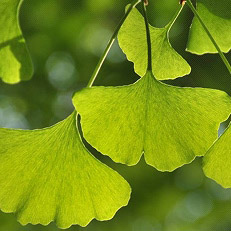
One of the oldest living tree species, ginkgo has a long history of traditional use in Eastern medicine. The ginkgo tree is native to China, though it's now cultivated widely across Asia, Europe, and North America, and is easily identified by its distinctive fan-shaped, two-lobed leaves that turn a brilliant gold in autumn. The most commonly used part of the tree is the leaves. The dried leaves can be processed into a myriad of product types such as standardized extracts, tinctures, teas, capsules, or powder blends.
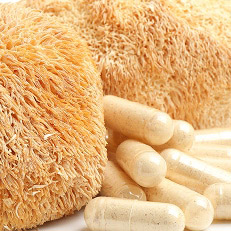
Once a niche ingredient known mostly to mushroom foragers and functional-food enthusiasts, lion's mane has experienced a remarkable rise in visibility. Native to North America, Europe, and Asia, it grows wild on the trunks of hardwood trees like oak and beech, typically appearing in late summer and fall as a cascading white mass of long, icicle-like spines that give the mushroom its shaggy, mane-like look. The powdered mushroom is most commonly used for capsules and drink mixes, or performing a dual (water and alcohol) extraction to concentrate it into a liquid tincture or standardized extract powder. Its mild taste has made it a top choice for formulators creating a wide array of products from instant latte blends to canned beverages and chocolate bars.
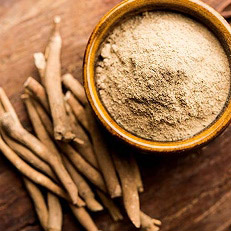
Long a staple of Ayurvedic tradition, ashwagandha has become one of the most searched botanicals in the supplement space overall. The plant is native to India, the Middle East, and parts of North Africa, where it grows as a small, softly textured shrub with velvety, silver-green leaves and small, bell-shaped yellow flowers that give way to orange-red berries. It's the root, however, that supplement makers are after. Traditionally dug up, dried, and either ground into a fine powder (the form most common in traditional use, where it has long been mixed into warm milk or stirred with ghee) or processed into a concentrated root extract for capsules and tablets. Ashwagandha has become a fixture in wellness media and on supplement shelves, and it now shows up regularly alongside ginkgo, lion's mane, and rosemary in blends and bundles marketed to an aging consumer base.
Together, these three botanicals have become something of a trio, often appearing bundled together in blends marketed for cognitive wellness lifestyle routines.
Why This Herbal Wellness Trend Has Staying Power
Several forces are converging to make this more than a passing fad:
- Demographic momentum: According to the AARP, with over 10,000 Americans turning 65 every day, the sheer size of the aging population ensures sustained demand for products designed with this life stage in mind.
- A cultural shift toward preventive wellness: Rather than waiting for health concerns to arise, many older consumers are adopting proactive, daily wellness rituals that include vitamins, herbal teas, and functional powders as part of a broader "wellness as lifestyle" philosophy.
- The clean-label movement: Botanical and herbal products align with growing consumer demand for recognizable, plant-derived ingredients over synthetic alternatives.
- Social proof and community: Online forums, wellness influencers, and even adult children recommending products to parents have created robust word-of-mouth ecosystems around specific botanicals like lion's mane and ashwagandha.
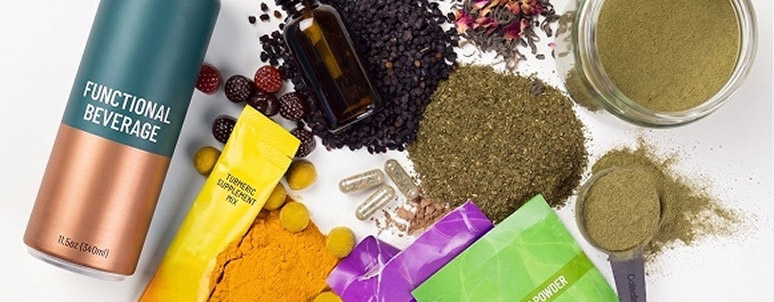
- Format innovation: Brands have gotten creative with herbal delivery methods including gummies, ready-to-drink beverages, and coffee blends that have made these botanicals more approachable for consumers who may be unfamiliar with traditional capsules or tinctures.
Looking Ahead: Botanicals Shaping the Healthy Aging Wellness Trend
As the aging population continues to grow, the appetite for supplements for seniors and other botanical wellness products shows no signs of slowing. Ginkgo biloba, lion's mane mushroom, and ashwagandha have each carved out a distinct place in the cultural conversation around aging and vitality, reflecting a broader consumer shift toward plant-based, tradition-rooted wellness routines.
Ultimately, this trend is about more than any single ingredient. It reflects a generational reimagining of what it means to age well. One where self-education and a return to botanical traditions play a starring role. For brands willing to meet this audience with honesty and substance rather than hype, the opportunity is only just beginning to unfold.
FAQs
Why are botanical ingredients like ginkgo, lion's mane, and ashwagandha becoming so popular right now?
Their rise is closely tied to demographic and cultural shifts. With the aging population growing rapidly and more consumers adopting proactive, daily wellness routines, these botanicals have moved from niche health-food shelves into mainstream retail, subscription boxes, and everyday products like beverages and functional foods.
Is this trend just a passing fad, or does it have staying power?
Several factors suggest it's more than a temporary spike in interest. The sheer size of the aging population, a broader cultural shift toward preventive, daily wellness habits, growing demand for clean-label and recognizable ingredients, and strong word-of-mouth communities are all converging at once. Add to that the wide range of new formats, like gummies, ready-to-drink beverages, and coffee blends, making these botanicals more approachable than ever, and it's a trend built on multiple reinforcing forces rather than a single moment of hype.
What should I look for in a botanical supplier?
Look for a supplier that offers:
- High-quality ingredients
- Consistent sourcing
- Quality assurance and testing
- Product traceability
- Flexible ordering options
- Production services that can support future growth
Why does ingredient sourcing and quality matter so much for these botanicals?
As demand grows, so does consumer scrutiny. Today's shoppers are savvy researchers who read labels, compare products, and expect transparency about where and how an ingredient was grown and processed. For brands, that means reliable sourcing and consistent quality aren't just operational details, they're central to building the trust needed to bring a botanical formulation from concept to market.