Author: Linda B. White, M.D.
SKIN AND BOTANICAL TRADITIONS
Many people value clear, well-cared-for skin and invest heavily in personal care routines. The skin plays an important role as a protective barrier and is exposed daily to environmental factors such as sun, wind, dryness, and pollutants. As a result, maintaining skin comfort and appearance is a common focus of self-care practices.
Throughout history, botanicals have been used in topical applications to support the look and feel of the skin. Below are several herbs that are commonly included in skin-care traditions and cosmetic formulations.
ALOE VERA
Aloe (Aloe vera) has a long history of topical use and is widely included in modern skin-care products. The clear gel from the inner leaf has been traditionally applied to the skin for its cooling, soothing, and moisturizing qualities. Historical accounts describe aloe as a popular botanical for general skin care, and it remains valued today for helping support skin comfort and hydration after environmental exposure.
CALENDULA
Calendula (Calendula officinalis), also known as pot marigold, is commonly used in topical products designed to support skin comfort. It is traditionally valued for its gentle nature and is often included in lotions, creams, and salves intended for everyday skin care. As with many botanicals, some individuals may experience sensitivity.
COMFREY LEAF
Comfrey (Symphytum officinale) has a long history of external use in traditional skin preparations. It contains allantoin, a compound commonly used in cosmetic products for its skin-conditioning properties. Comfrey is intended for external use only and is frequently incorporated into salves and topical blends. Commercial products typically use purified constituents rather than whole-plant preparations.
MAKE YOUR OWN BOTANICAL SKIN SALVE
Many commercially available skin salves include herbs such as calendula and comfrey. Homemade salves can also be created using infused oils and beeswax for personal, cosmetic use. These preparations are commonly applied to support skin softness and moisture.
Fill a clear glass jar 2/3 of the way full of dried, ground herbs. Cover those gorgeously orange dried calendula flowers and comfrey (and/or other skin-friendly herbs) with a good quality oil (e.g., almond, apricot, olive, grape seed). Mix well and add enough oil so that you have at least a half inch sitting above the herbs. Put the jar in a sunny window. Shake each day and strain in a week or two. Strain the infused oil through a cheese cloth, and pour into a saucepan. Over very low heat (a double-boiler reduces the risk of burning the oil), warm the oil and add 1 ounce (about ¼ c) grated beeswax for each cup of oil. Stir until the beeswax melts into the oil. Remove from heat. Immediately pour into small, wide-mouthed jars. You can add a few drops of tea tree oil to preserve. Store in a cool, dry, dark place. Apply as needed.
CHAMOMILE
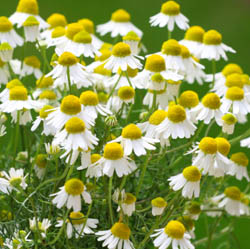
German chamomile (Matricaria recutita) is widely used in personal care products for its calming aroma and gentle skin feel. Chamomile is often included in formulations designed to support skin comfort and relaxation. Individuals with known sensitivities to plants in the daisy family should use caution.
ECHINACEA
Echinacea (E. purpurea, angustifolia, pallida) have been traditionally used in a variety of topical preparations. In cosmetic and personal care contexts, echinacea extracts are valued for their antioxidant content and inclusion in products intended to support skin appearance and overall skin conditioning.
GREEN TEA
Green tea (Camellia sinensis) contains naturally occurring plant compounds that are widely used in skin-care formulations. Green tea extracts are commonly included in cosmetic products designed to support skin appearance and protect against environmental stressors. These benefits are valued in both topical applications and lifestyle routines.
LICORICE ROOT
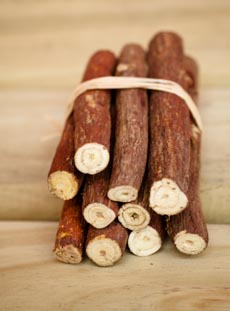
Licorice root (Glycyrrhiza glabra) are traditionally described as soothing botanicals. Their naturally mucilaginous qualities make them popular additions to topical preparations intended to support skin softness and comfort.
OREGON GRAPE AND GOLDENSEAL
The yellow roots of Oregon grape (Mahonia aquifolium) and goldenseal (Hydrastis Canadensis) have a long history of traditional topical use. In modern cosmetic applications, extracts from these roots are valued for their plant compounds and inclusion in skin-care formulations.
POMEGRANATE
Pomegranate (Punica granatum) contains naturally occurring pigments and plant compounds that are commonly used in cosmetic products. Pomegranate extracts are often included in formulations intended to support skin appearance and provide antioxidant benefits.
ST. JOHN's WORT
St. John’s wort
(
Hypericum perforatum), is sometimes infused into oils for topical use. Traditionally, this red-hued oil has been applied to support skin conditioning. Products containing St. John’s wort are typically used with awareness of sun exposure, as the plant is known to increase Sensitivity to the sun.
Bio: Linda B. White, M.D. is a freelance writer and an assistant professor in the Integrative Therapeutic Practices Program at Metropolitan State College of Denver.