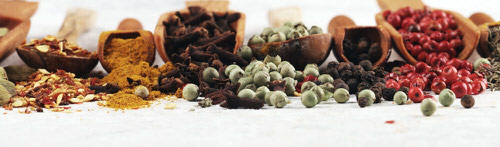
What types of beverage businesses use herbs, botanicals, and spices for their formulations?

Monterey Bay Herb Co. supplies raw herbs, botanicals, spices, and citrus ingredients to a wide range of beverage producers, including:

  • Craft distilleries (gin, botanical vodka, bitters, liqueurs)
  • Microbreweries & nano-breweries (seasonal beers, spiced ales, barrel-aged releases)
  • Cideries & meaderies (herb- and spice-forward small batches)
  • RTD cocktail brands (shelf-stable botanical flavor systems)
  • Non-alcoholic spirit & cocktail makers (complex flavor layering without alcohol)

Related products: Juniper berries, coriander seed, citrus peels, cinnamon, cardamom, star anise, hibiscus, ginger root.


Which herbs and botanicals are most commonly used in spirits and microbrews?

Some of the most widely used ingredients across spirits, craft beers, and cocktail creators include:

Get inspired with some simple, delicious, herbal happy hour creations!


How are herbs and botanicals typically used in spirits and beer production?

Common application methods for integrating herbal and botanical ingredients into beverage production may include:

  • Maceration - soaking botanicals in neutral spirit to extract flavor
  • Vapor infusion - passing alcohol vapor through botanical baskets
  • Post-distillation infusion - layering aroma and flavor after distillation
  • Dry-spicing (beer) - adding botanicals during conditioning or packaging
  • Tea-style extractions - creating concentrated botanical infusions to dose into batches

Formulators often experiment with cut size, extraction time, and alcohol percentage to fine-tune flavor intensity and balance.


What are current botanical flavor trends in spirits and craft beverages?

Across spirits, beer, and RTD (ready to drink) beverages, popular trends include:

Many producers are leaning into layered botanical builds rather than single-note flavors, especially in gin, aperitif-style spirits, and botanical seltzers.

Related products: Lavender flowers | Rose petals | Chamomile | Rooibos tea


What should beverage producers look for when sourcing herbs and botanicals?

When sourcing ingredients for spirits, beers and other beverage types, key things to consider include:

  • Cut size consistency (whole vs. cut & sifted vs. powder)
  • Aroma strength and volatile oil content (important for gin baskets and vapor infusions)
  • Lot traceability & documentation
  • Organic availability
  • Supply consistency for repeatable batches

Monterey Bay Herb Co. provides batch consistency and bulk supply options suitable for pilot batches and scaled production runs.

Related links: Bulk herbs and spices | Organic botanical ingredients | Quality documentation


How do different botanicals affect aroma vs. flavor in spirits?

Some botanicals primarily contribute top-note aroma, while others add what's considered mid-palate complexity or finish structure:

  • Top notes: citrus peel, lavender, lemongrass
  • Mid-palate: coriander, ginger, hibiscus
  • Base notes: angelica root, orris root, cassia

Balancing these layers helps create depth in gin, liqueurs, botanical vodkas, and non-alcoholic spirits.

Related products: Lemongrass | Angelica root | Coriander seed


Are herbs and spices used differently in beer vs. distilled spirits?

Yes - botanical ingredient usage depends on fermentation vs. distillation processes:

When making beer:

  • Botanicals are often added during the boil, whirlpool, fermentation, or conditioning
  • Brewers consider heat stability and fermentation interactions

When formulating spirits:

  • Botanicals are extracted via alcohol maceration or vapor infusion
  • Distillers focus on aroma carryover and distillation cut timing

Producers frequently run bench trials before committing botanicals to full production.

Browse: Brewing spices | Distillation botanicals | Small-batch formulation ingredients


How can beverage brands develop signature botanical blends that are unique and exciting?

Many brands work with custom botanical ratios to create proprietary flavor profiles. Helpful steps include:

  1. Start with a core botanical (e.g., juniper for gin or orange peels, lemon peels and grapefruit peels for RTDs)
  2. Layer supporting spices or florals
  3. Adjust cut size and extraction time
  4. Run pilot batches before scaling

Monterey Bay Herb Co. supports bulk ordering and consistent sourcing to help maintain batch-to-batch flavor alignment.


Are these ingredients suitable for non-alcoholic spirits and mocktails?

Absolutely. With non-alcoholic options becoming more common and trendy, botanical ingredients are even more important, and are widely used by:

  • Non-alcoholic spirit brands
  • Ready-to-mix cocktail concentrate makers
  • Botanical soda and tonic producers

Many producers focus on aromatic layering, bitterness, citrus brightness, and spice warmth to replicate cocktail-style complexity without alcohol. Here are some herbal mocktail recipe ideas!


Does Monterey Bay Herb Co. provide support for scaling from pilot batches to production runs?

Yes. Monterey Bay Herb Co. supplies pilot-scale quantities for R&D as well as bulk volumes for commercial production, making it easier for beverage brands to scale without changing suppliers mid-formulation. Documentation and lot consistency help teams maintain product quality across seasonal releases and year-round SKUs.

Helpful links: Bulk beverage ingredients | Wholesale herbs & spices | Documentation & sourcing resources