shopping Anise - two varieties
[ 699 ]Pimpinella anisum

Anise Seed Whole

1/4 Pound:  $3.35 Pound:  $7.44  100+ Pounds:  contact
[ 2106 ]Pimpinella anisum

Anise Seed Powder

1/4 Pound:  $3.86 Pound:  $8.58  100+ Pounds:  contact
We offer discounted pricing on orders over 100 pounds. Contact Us

Wholesale Anise

Pimpinella anisum
plant overview
old-world anise

This annual bell-flowered plant was well known to the ancient Egyptians, Greeks, and Romans. By the 16th century, its cultivation spread to Medieval Europe, where the herb was known as Pimpinella and often used as currency to pay taxes. Today, the anise seed is widely used in various world cuisines to make anise seed recipes like anise seed cookies. When you buy anise seeds online, you can take advantage of various uses, such as spicing up a variety of foods, and making anise seed tea. Wondering where to buy anise seeds? Bulk anise seeds can be purchased in ¼ or full pound quantities.

Clicking "learn more" next to each variety will take you to individual product pages for details.
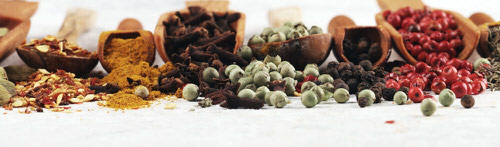
Anise, the Old World spice

01.
A Bit of Botany

a bit of botanical information for anise

description
A member of the Apiaceae (Umbelliferae) family, Anise is a herbaceous annual plant growing to 3 feet or more. The leaves at the base of the plant are simple, ⅜-2 inches long and shallowly lobed, while leaves higher on the stems are feathery pinnate, divided into numerous leaves. The flowers are white, approximately ⅛ inches in diameter, produced in dense umbels. The fruit is an oblong dry schizocarp, ⅛-¼ inches long, usually called "aniseed".

common names
& nomenclature

The early Arabic name was "Anysum" from which was derived the Greek "Anison" or "Anneson" and the Latin "anisum." Called anise in virtually all European languages, the form anis is also valid in a large number of languages. The Medieval name "Pimpinella" is derived from the Latin name "dipinella," meaning twice-pinnate or bi-pinnate in allusion to the form of the leaves.

Also known as:
aniseed,
sweet cumin,
chinese anise,
and
anisi fructose

02.
Where In The World

habitat and range for anise

Anise, Pimpinella anisum, is native to the Mediterranean region and Egypt; it is also cultivated in Europe, Asia India, Mexico, North Africa, and the USSR.

03.
Cultivation & Harvesting

considerations for growing anise

climate
The plant requires a warm sunny location and long frost-free growing season of 120 days.

soil
Anise plants grow best in light, fertile, well drained soil and appear to respond well to nitrogen fertilization by yielding a greater quantity of high-quality fruit.

growing
Anise seeds should be planted as soon as the ground warms up in spring. Because the plants have a taproot, they do not transplant well after being established, so they should be started either in their final location or transplanted while the seedlings are still small.

harvesting
After the flower umbels have become heavy with ripe brown seeds, cut the heads off before they drop. Place them in a single layer on a paper towel or plate in a dry place. If possible, expose to direct sunlight to allow the seeds to completely dry out. When the seeds are crisp and dry, rub between palms to separate the seed from the hull, sieve to remove seeds from the husks, and store in airtight containers.

preserving
Store seed in a cool, dry place.

04.
The Rest of The Story


What is an Anise Seed?

Anise seeds are the seeds of the anise plant, which is a flowering annual that's native to the eastern Mediterranean region and Southwest Asia.


What is Anise Seed good for?

Anise seed is good for a variety of culinary uses as a spice, with it’s sweet and mildly spicy flavor and aroma. And has been associaated with traditions of an after dinner tea.


History and folklore of anise seed
Anise has been used for centuries by the Greeks who understood that it had great value to the culture and rituals. It was commonly used (and still is) as a flavoring for food. It is mostly used for dishes that have a touch of sweetness or a bit of spice. Anise seed was also used by ancient Greek romantic lovers.


Anise seed recipes and formulations

Used in a variety of different cuisines in Middle Eastern, Italian, German, Indian and Mexican cooking. Anise seeds are used to flavor a variety of shortbreads and cookies and other traditional baked goods. For example, you can simply add it to any recipes that you enjoy. This is an easy way to bring more flavor and excitement to meals. However, anise is also a wonderful ingredient for tea, decoction, extracts and even essential oils.

How make anise extract from Seeds
  • Place the 1 tbsp of Anise Seeds in clean container with a good seal
  • Crush the Anise Seeds a bit
  • Pour 100ml of vodka over the top
  • Seal and allow to sit in a cool dark place for a couple months.
  • When it reaches your preferred intensity, filter out the anise seeds
for educational purposes only

This information has not been evaluated by the Food and Drug Administration. This information is not intended to diagnose, treat, cure, or prevent any disease.

please be advised:  Before making any changes to your diet you should always consult with your doctor, especially if you are pregnant, nursing or have existing conditions.

All reviews solely reflect the views and opinions expressed by the reviewer and not that of Monterey Bay Herb Co. We do not verify or endorse any claims made by any reviewer. None of these statements have been evaluated by the FDA and are not intended to diagnose, treat, cure, or prevent any disease or health condition.