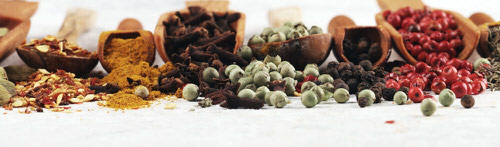
Cumin seed refers to the seed of Cuminum cyminum, an annual herb related to parsley, dill and caraway. Like other members of the Umbelliferae family, the plant bears a fruit that contains a single, oblong-shaped, highly aromatic seed.
Cumin seed is a very popular seasoning in many cultures, most notably Indian, North African, Brazilian and Mexican cuisines. Aside from being a common flavoring in curries, chilis and stews, cumin seed is also used to season classic Dutch cheeses.
Cumin is originally native to the Mediterranean and has been cultivated for centuries. The herb is mentioned in the Bible several times and a stash of the seeds were discovered at Tell ed-Der, an ancient city that once stood north of Babylon that dates to the second millennium BC. The Greeks kept
cumin seeds in a container at the dining table to be freely dispensed much like pepper is today. In Medieval Europe, it was said that cumin seed prevented true love and barnyard foul from straying; hence it was carried by newlyweds while undertaking their nuptials and frequently fed to chickens and homing pigeons to ensure their return to the roost.
Aside from imparting a warm, earthy flavor, chemical compounds in cumin seed are carminative. The seeds may be chewed whole, or steeped into a tea. As a culinary flavoring, the seeds may be added to soups, stews and other foods whole or as a ground powder.