Common Names: Wu-Wei-Zi, Lemonwood, Chinese Mock Barberry Habitat/Range: Native to Korea and northeastern China and Russian Far East.
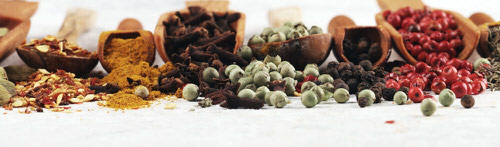
Description: Schisandra is a woody vine with alternate leaves arranged in whorls. The red, berry-like fruit hangs in bunches, much like grapes. The plant prefers growing conditions similar to the requirements of grapes, in fact, which includes hummus-rich soil and moderate humidity.
Parts Used: The medicinal part of the plant is the fruit, or berry. Traditional Uses: Schizandra berry is one of the 50 fundamental herbs in traditional Chinese medicine and classified as an adaptogen, which means it helps the body recover from stress.
Chemical Composition: The fruit contains various volatile oils, including alpha- and beta-chamigrene and sesquicarene. Fatty oils, namely oleic and linoleic acids are also present. The primary compounds responsible for the pharmacological actions of Schizandra berry are schizandrin, deoxyschizandrin, gomisins and pregomisin. Collectively, these agents are known as lignans, phytonutrients with potent antioxidant and anti-inflammatory properties. (1)
Pharmacological Actions: According to the “Physicians’ Desk Reference for Herbal Medicines,” lignans isolated from Schisandra berries protect the liver and promote cell regeneration in the organ. Specifically, these compounds scavenge free radicals, stimulate liver protein and glycogen synthesis and possibly reduce P450 enzymes, which catalyze the metabolism of pharmaceutical drugs. A study published in the August 15, 2011 issue of “Toxicology” shows that schisandrin B protects the liver from mercury poisoning (2). A study published in "Journal of Ethnopharmacology" in May 2011 shows that Schisandra lignans improve glucose resistance (3), which supports the use of the herb in treating type II diabetes. The anti-inflammatory effect in the lungs may be attributed to gomisin C (1).
Side Effects/Drug Interactions: Many plant lignans can produce hormone-like effects, so this herb should not be used during pregnancy, or if you have a history of a hormone-driven cancer. The herbal PDR cautions that Schisandra berry should not be used if you have epilepsy or very high blood pressure. Because this herb interacts with P450 enzymes, it may decrease the effectiveness of certain medications. Check with your doctor before using this herb if you take other medicines.
For educational purposes only This information has not been evaluated by the Food and Drug Administration. This information is not intended to diagnose, treat, cure, or prevent any disease.