About Herb Co.
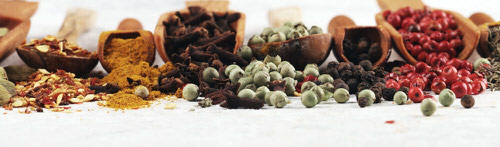
Monterey Bay Herb Co. started in a garage in 1997 selling bulk herbs and spices like cinnamon, saffron, and ginger to local shops, health food stores, and restaurants. Today we serve a wide range of customers from tea shops to herbalists, pet supplements to brands of kombucha and skincare. From our humble beginnings to today, two things have remained consistent — our focus on helping small businesses thrive and our respect for the power of herbs to impact everyday wellness.
Everything we do — our wide product range, offering wholesale prices without requiring a wholesale account and shipping all orders from our facility within two days is done to help small businesses succeed.